Why Your Team's Satisfaction is Your Greatest Asset
An employee satisfaction survey tool is designed to help organizations understand and improve their workforce's experience. In today's dynamic work environment, it's more than just a feedback mechanism; it's a strategic asset for…

Why Your Team's Satisfaction is Your Greatest Asset
An employee satisfaction survey tool is designed to help organizations understand and improve their workforce's experience. In today's dynamic work environment, it's more than just a feedback mechanism; it's a strategic asset for cultivating a thriving workplace. The Great Resignation and persistent burnout trends have shown that traditional metrics often fall short. Understanding what makes your employees feel valued, heard, and connected is crucial for building a high-performing team.
These powerful tools allow you to move beyond guesswork, providing the data needed to proactively shape a culture where people don't just work, but thrive. They are essential for identifying hidden challenges, celebrating successes, and fostering an environment where every voice contributes to collective growth.
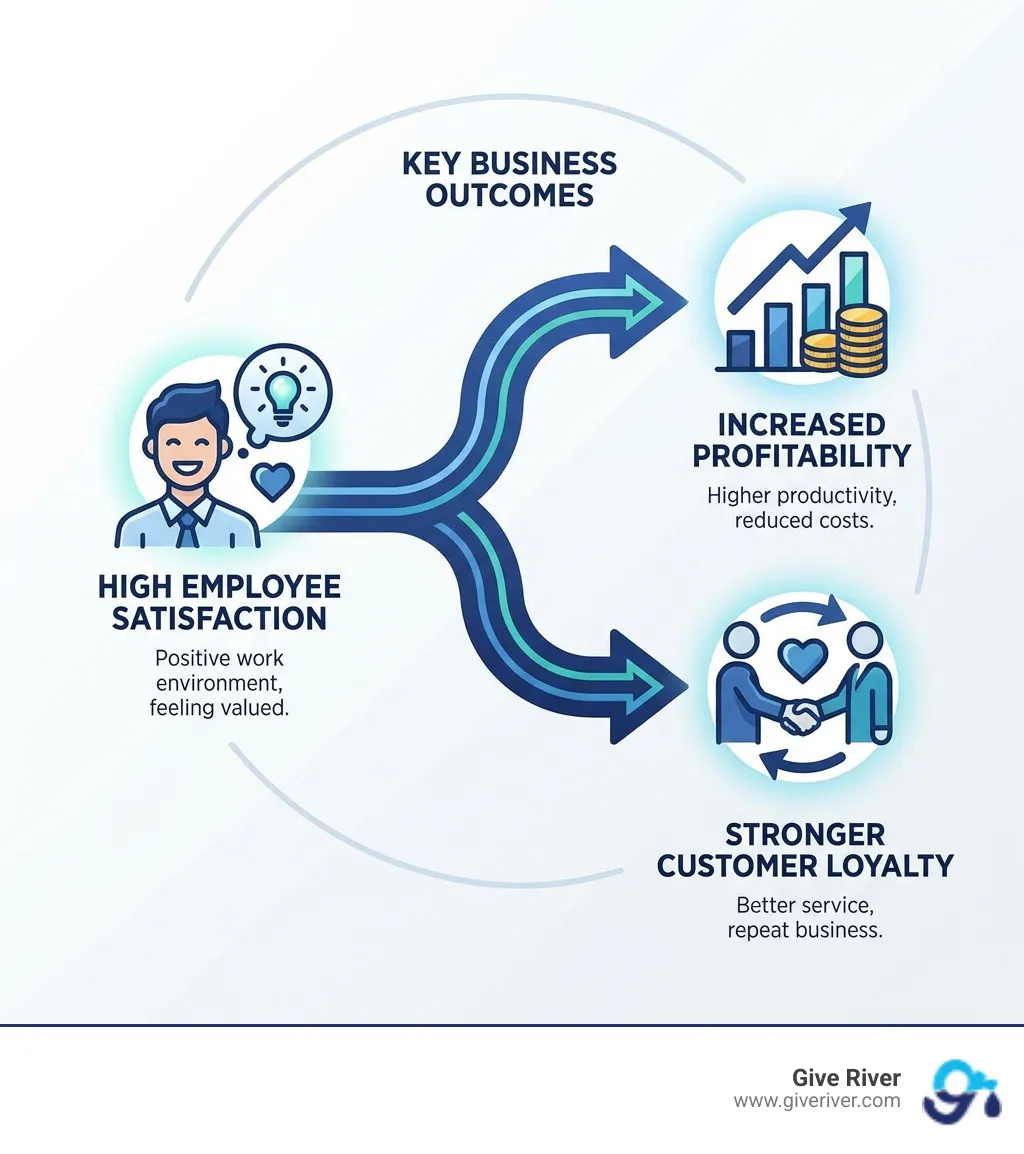
Basic employee satisfaction survey tool terms:
What are the benefits of using an employee satisfaction survey tool?
Investing in an employee satisfaction survey tool is a strategic imperative. The benefits ripple across your entire company, from individual well-being to bottom-line results.
- Improved Retention: Pinpoint the exact causes of dissatisfaction—be it workload, management, or growth opportunities—and address them proactively to retain valuable talent and institutional knowledge.
- Higher Team Performance: Satisfied employees are engaged and productive. When people feel heard and valued, they become more motivated, innovative, and committed to their work.
- Data-Driven Decisions: Swap gut feelings for concrete, actionable data. Uncover "blind spots" and make informed, strategic choices that genuinely impact your people and prevent burnout.
- Stronger Company Culture: Regularly asking for and acting on feedback builds trust and psychological safety. When employees see their input leading to positive changes, they feel more connected to the organization.
- Proactive Problem-Solving: Use tools like pulse surveys to capture real-time sentiment, allowing you to identify trending concerns and intervene before they escalate into crises.
- Improved Employee Experience: Understand and improve each stage of the employee lifecycle, from onboarding to exit, to build a workplace that is not only productive but also supportive and fulfilling.
What features should I look for in a survey tool?
Choosing the right employee satisfaction survey tool means focusing on key features that meet your organization's needs.
- Anonymity Protection: This is paramount for encouraging honest feedback. A robust tool protects anonymity by aggregating data so individual responses cannot be identified, fostering trust.
- AI-Powered Analysis: Look for tools that use AI to automatically organize feedback, identify trends, and suggest recommendations. This transforms raw data into actionable insights, saving hours of manual work.
- Real-time Dashboards: Instant, intuitive dashboards provide immediate visibility into engagement scores and response rates, enabling leaders to focus on what matters most for their teams.
- Customization & Branding: The ability to customize questions and brand the survey with your company's look and feel improves the employee experience and boosts participation.
- Question Libraries and Logic: Extensive, validated question libraries save time, while survey logic creates a more personalized and efficient experience for respondents.
- Integrations (HRIS, Slack, Teams): Your survey tool should integrate with your existing HR ecosystem (like HRIS and communication tools) to streamline data flow and automate distribution.
- Action Planning Modules: The best tools help you act on insights by offering recommendations, tracking initiatives, and providing resources for managers to address team issues.
A Guide to the Top Employee Satisfaction Survey Tools
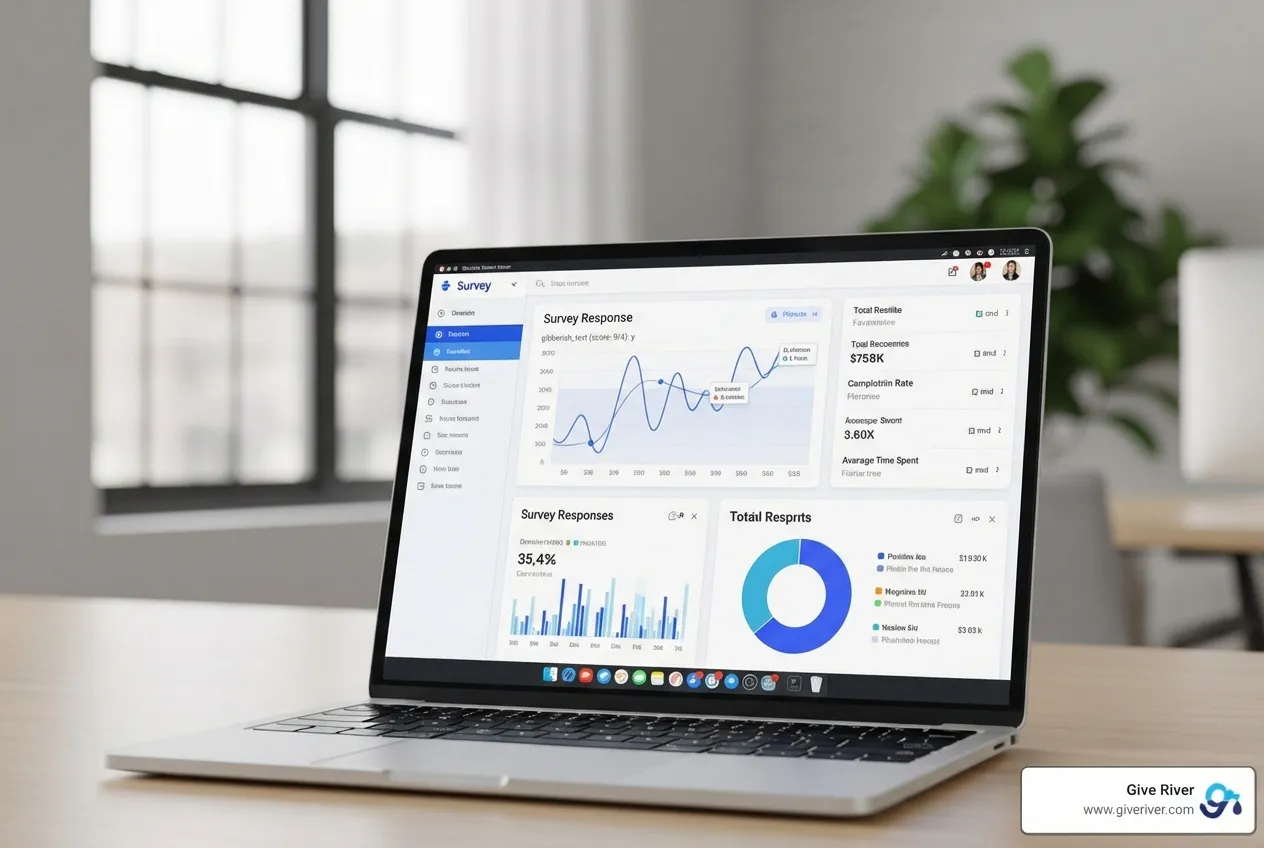
Navigating the landscape of employee satisfaction survey tools can be overwhelming. To help, we've broken down some of the best-in-class solutions, highlighting their strengths. Whether you're looking for quick pulse checks, comprehensive annual reviews, or advanced sentiment analysis, there's a tool for you.
Best-in-Class Tools for Gathering Employee Insights
When selecting an employee satisfaction survey tool, look for platforms that empower organizations to understand, engage, and develop their workforce. Here are some standout options:
Give River: We're building a platform that offers a holistic approach to employee fulfillment. Our unique 5G Method—Guided, Gamified, Gratitude, Growth, and Generosity—integrates feedback with continuous recognition and development. Our platform excels in fostering a culture of recognition and makes participation engaging through gamification.
BambooHR: This platform offers a comprehensive HR suite with an Employee Satisfaction module. It leverages the eNPS method and uses AI for automatic reporting, all within a unified HR platform that connects satisfaction data with functions like payroll.
Gallup Access: Backed by decades of research, Gallup offers a scientifically validated approach. It features the renowned Q12 survey, extensive question banks, and powerful benchmarking capabilities to turn survey data into business intelligence.
Workleap (Formerly Officevibe): This tool focuses on continuous feedback through pulse surveys and custom options. Its standout employee recognition feature and resources for managing remote teams make it highly relevant for modern work structures.
Qualtrics: A powerhouse in experience management, Qualtrics offers comprehensive solutions with advanced analytics. Its ability to integrate employee and customer experience data provides a holistic view of business performance.
SurveyMonkey: A versatile and user-friendly platform, SurveyMonkey offers customizable templates, question logic, and gamification elements. Its flexibility makes it suitable for various survey types, from quick pulses to detailed annual reviews.
While many tools offer survey capabilities, platforms like Bonusly and Kudos specialize in employee recognition. They excel at fostering appreciation but focus more on recognition actions than comprehensive survey analysis. This offers a different value proposition compared to a tool like Give River, which integrates robust feedback with a broader suite of engagement and growth features.
How to Choose the Right Employee Satisfaction Survey Tool
Selecting the perfect employee satisfaction survey tool is a critical decision. It's about finding the tool that aligns with your unique needs, culture, and budget. Here’s a checklist to consider:

Scalability: Will the tool grow with your company? Ensure it can handle more employees and data without a complete overhaul.
Ease of Use: The tool should be intuitive for both administrators and employees. A clunky interface can lead to low participation.
Customer Support: Reliable vendor support is crucial. Look for providers with responsive service and comprehensive knowledge bases.
Pricing Models: Costs vary widely. Options include free plans (for small teams), per-user/per-month models, and custom quotes for larger platforms. Always look for transparent pricing.
Features Alignment: Revisit the essential features (anonymity, AI, dashboards, etc.) and prioritize what is non-negotiable for your organization.
Survey Types: Does the tool support your desired survey methods, such as pulse, annual, eNPS, or lifecycle surveys?
By carefully evaluating these factors, you can make an informed decision that empowers your organization.
Beyond Surveys: Integrating Feedback with Growth and Recognition
An employee satisfaction survey tool is invaluable, but true change happens when feedback is integrated into a holistic experience emphasizing growth and recognition. It's not enough to just ask; you must also act and celebrate.
This is where Give River's 5G Method shines. We integrate feedback with a system that fosters a continuous culture of appreciation (Gratitude), provides clear paths for development (Guidance and Growth), makes the journey engaging (Gamification), and connects employees to a larger purpose (Generosity). This integrated approach ensures feedback is an ongoing conversation that shapes a dynamic, responsive, and fulfilling workplace.
Turning Insights into Impact: Your Action Plan
Gathering data through an employee satisfaction survey tool is just the first step. The real magic happens when you transform those insights into tangible actions that drive positive change. This is where you move from understanding to improving.
Analyzing Data to Drive Strategic Decisions
Once your survey data is in, it's time to analyze it. Effective reporting is the backbone of informed decision-making.
- Data-Driven Insights: Leverage your tool's analytics to identify trends, pinpoint concerns, and celebrate successes. Look for patterns related to different departments, demographics, or tenure.
- Identifying Trends: Track how scores and sentiment evolve over time. This longitudinal data is invaluable for understanding the long-term impact of your initiatives.
- Uncovering Leadership Blind Spots: Anonymous surveys provide a discreet channel for employees to voice concerns they might not share directly, revealing issues unknown to leadership.
- Improving Company Culture: Use insights as a direct blueprint for refining your culture. If feedback points to a lack of recognition, it's a clear signal to bolster your gratitude initiatives.
- Informing Strategy: Employee satisfaction data is business intelligence. Understanding sentiment can guide decisions on resource allocation, training, and leadership development. The power of employee voice is well-documented in management research; for background, see overviews such as employee voice in the workplace, and for more practical applications, explore our insights on data-driven insights.
Fostering a Culture of Trust and Continuous Improvement
The true impact of an employee satisfaction survey tool isn't just in collecting data, but in how you respond to it. This transforms feedback into fulfillment.
- Acting on Feedback: This is non-negotiable. Employees need to see that their feedback matters. Tangible actions demonstrate that you value their input and drive fulfillment.
- Communicating Results: Be transparent. Share aggregated survey results, key findings, and your action plan. This reinforces trust and shows employees how their voice shapes the company's future.
- Fostering Psychological Safety: Create an environment where employees feel safe to speak up. Anonymity is a cornerstone, but it must be backed by a leadership team that welcomes feedback constructively.
- Employee Fulfillment: When employees feel heard and see their contributions leading to positive change, their sense of fulfillment skyrockets. It's about feeling a deep connection to their work and the organization.
- High-Performing Teams: A culture of continuous improvement, fueled by honest feedback and responsive action, naturally leads to more cohesive, resilient, and productive teams.
By embracing an employee satisfaction survey tool as a strategic partner, you're investing in your most valuable asset: your people.
More from this category.

Why Most Work Meetings Start on the Wrong Foot (And How to Fix It)
The best 2 truths and a lie ideas for work can transform an awkward, silent meeting opener into a moment your team actually looks forward to. Whether you're onboarding new hires, kicking off a remote all-hands, or just trying to shake off…

The Trust Deficit in Remote Work
Building trust in a virtual team is a critical challenge for modern organizations. While remote work offers flexibility, it can erode team cohesion if not managed intentionally.

Why Connection Building Activities Are the Secret to High-Performing Teams
Connection building activities are structured exercises that help teams develop trust, improve communication, and foster genuine relationships at work — and they're one of the most overlooked drivers of team performance.
See the platform in action.
30-day free trial. No credit card. River Guide included on Core and Growth.