Why Team Culture Is the Foundation of Every High-Performing Organization
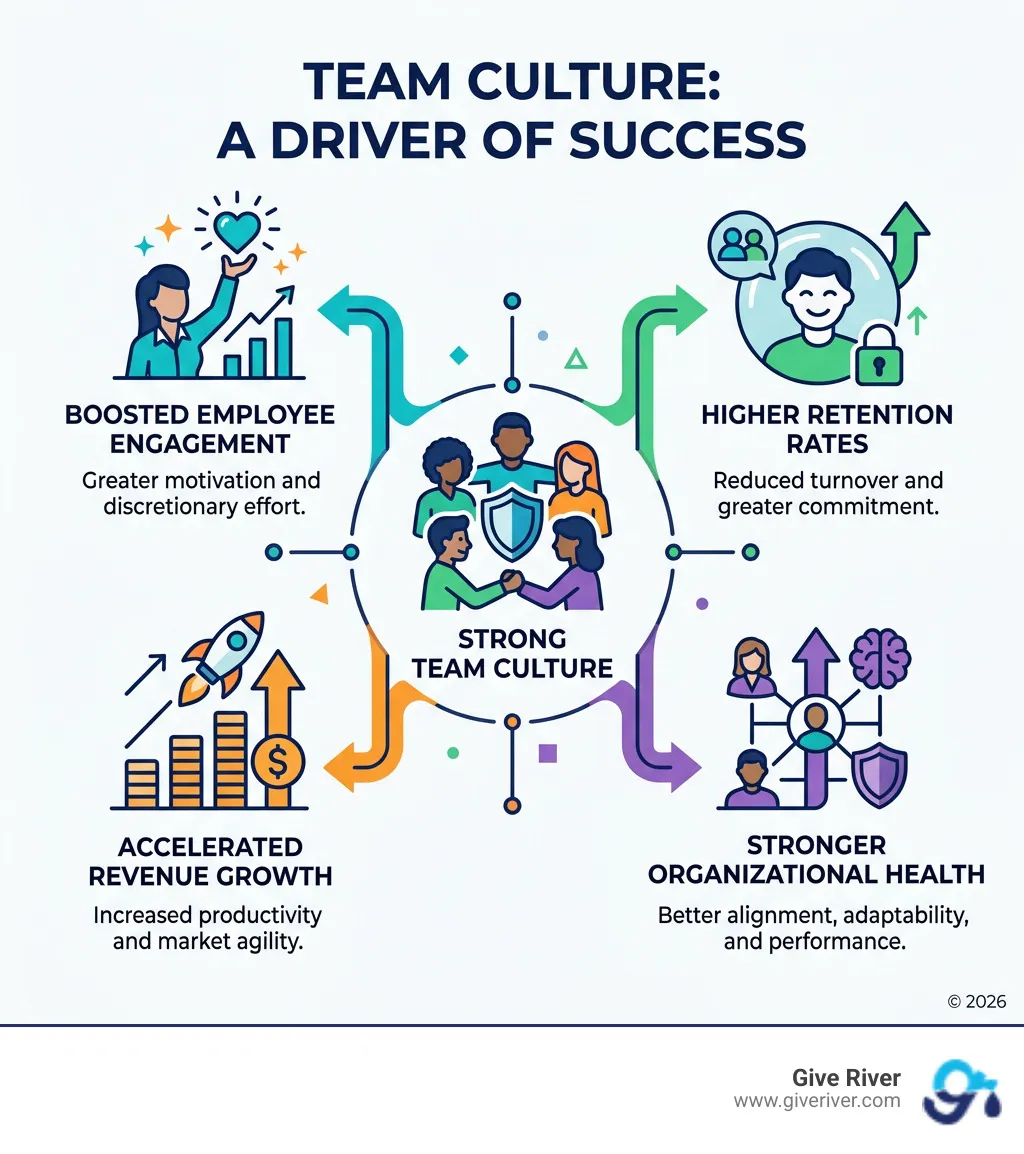
Knowing how to build a good team culture is one of the most valuable skills a modern leader can develop — and the data makes a compelling case for urgency. Companies with strong cultures grow revenue four times faster than their peers. Yet…

Why Team Culture Is the Foundation of Every High-Performing Organization
Knowing how to build a good team culture is one of the most valuable skills a modern leader can develop — and the data makes a compelling case for urgency. Companies with strong cultures grow revenue four times faster than their peers. Yet only 23% of employees are currently engaged at work, according to Gallup.
That gap between potential and reality is exactly what this guide is designed to close.
Here's a quick overview of how to build a good team culture:
- Define your purpose and core values — co-create them with your team so everyone has ownership
- Foster open communication — establish regular feedback loops and psychological safety
- Lead by example — leaders must embody the values they want to see, not just declare them
- Recognize and celebrate achievements — tie recognition to your core values consistently
- Invest in growth and learning — development opportunities signal that you value your people as whole humans
- Promote inclusion and collaboration — implement DEI initiatives and cross-functional teamwork
- Measure and evolve — use pulse surveys, eNPS, and turnover data to continuously improve
- Adapt for remote and hybrid teams — build intentional virtual rituals and asynchronous connection points
The stakes are real. A poor culture doesn't just hurt morale — 47% of employees cite it as their primary reason for seeking a new job, and 27% of UK employees have quit outright because of a toxic workplace. Culture isn't a soft issue; it's a business-critical one.
What makes team culture so powerful — and so tricky — is that every team already has one, whether it was designed intentionally or not. The question isn't whether your team has a culture. It's whether the culture you have is the one you actually want.
Think of team culture as the personality of your organization made visible. It lives in the way people communicate, how they handle conflict, whether they feel safe to speak up, and whether they feel genuinely valued for their contributions — not just their output.
Organizations in the top quartile for organizational health are nearly three times more likely to deliver superior long-term performance compared to their peers. — McKinsey
That's not a coincidence. Culture is strategy.
I'm Meghan Calhoun, co-founder of Give River and a workplace wellness advocate with over two decades of experience leading high-pressure teams — from Fortune 100 sales floors to emotionally demanding environments where burnout was a daily risk. That experience with both the costs of neglecting team culture and the transformative power of getting it right is what drives my passion for teaching leaders how to build a good team culture that sustains performance without sacrificing people. In this guide, I'll walk you through everything you need — from first principles to practical daily habits — to build a culture your team will actually feel.
The Blueprint: How to Build a Good Team Culture from the Ground Up
Building a thriving culture isn't about buying a ping-pong table or stocking the fridge with kombucha. Those are perks, not pillars. True culture is the "invisible glue" that holds a team together during times of high stress or rapid change. It is the sum of coworker interactions, shared beliefs, and the unspoken rules that dictate how work actually gets done.
As leaders, we must recognize that we are the primary architects of this environment. Scientific research on organizational health suggests that healthy organizations are nearly three times more likely to provide superior returns. To achieve this, we must move from a "command and control" style to one of transparency and trust.
The first step in our blueprint is acknowledging that a Winning Workplace Culture requires intentionality. You can't just hope for a good culture; you have to build it brick by brick through consistent leadership modeling and clear purpose.
Defining Your Team’s Purpose and Core Values
If your team doesn't know why they are doing what they are doing, they are just checking boxes. A Purpose-Driven Workplace connects daily tasks to a larger mission, which is essential for long-term fulfillment.
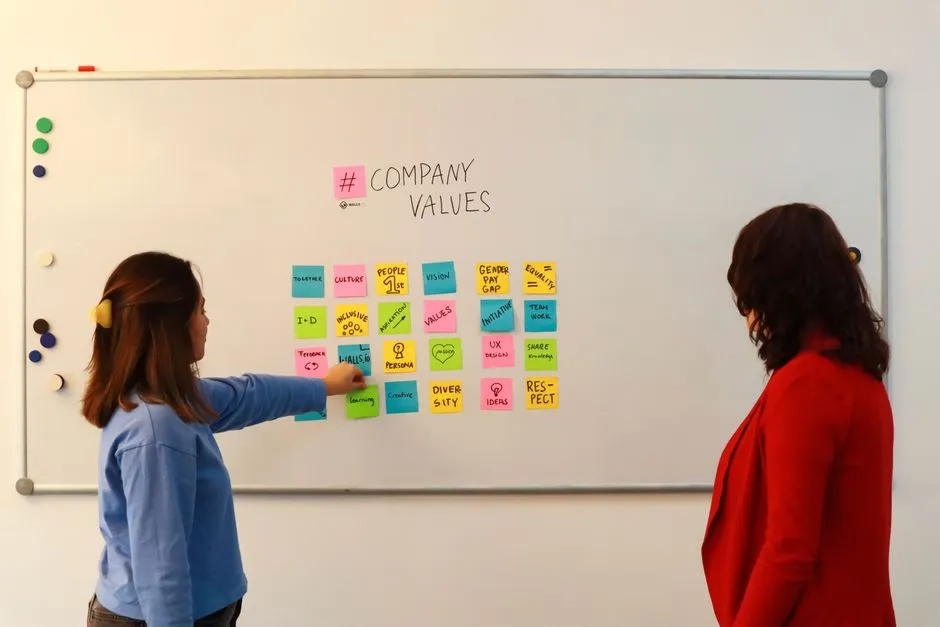
To define your values effectively, don't just hand down a list from the executive suite. Instead, use a co-creation model:
- Gather Input: Ask your team what behaviors they value most in their colleagues.
- Define Behavioral Norms: Instead of a vague value like "Innovation," define it as "We embrace messy first drafts and celebrate learned lessons."
- Put it in Writing: Create a "Culture Design Canvas" or a team charter that documents these shared beliefs.
By involving the team in the process, you create Building a Supportive Environment where everyone feels a sense of ownership. When employees see their own input reflected in the company's DNA, their commitment to living those values skyrockets.
Fostering Open Communication and Psychological Safety
Communication is the heartbeat of team spirit. McKinsey found that teams with high communication skills can increase their performance by 25%. However, communication cannot flourish without psychological safety — the belief that one can speak up with ideas, questions, or mistakes without fear of punishment.
As a leader, you can foster this by:
- Active Listening: Don't just wait for your turn to speak; validate your team's concerns.
- Establishing Feedback Loops: Move away from annual reviews toward real-time, informal check-ins.
- Modeling Vulnerability: Share your own mistakes and what you learned from them. This signals to the team that perfection isn't the goal—growth is.
For a deeper dive into these strategies, check out our Boosting Employee Engagement: Ultimate Guide. Trust isn't built in a single "trust fall" exercise; it's built in the small, daily moments of honesty and transparency.
Practical Steps for How to Build a Good Team Culture Daily
Once the foundation is set, you need daily habits to keep the culture alive. Here are actionable strategies for how to build a good team culture on a Tuesday morning, not just during a quarterly retreat:
- Meaningful Recognition: Use tools like Bonusly or Kudos to facilitate peer-to-peer appreciation. While these platforms are effective for transactional "shout-outs" and point-based rewards, Give River takes it a step further by linking recognition directly to personal growth, wellness, and community impact, moving beyond simple perks to genuine fulfillment.
- DEI Initiatives: Inclusion isn't a checkbox; it's a competitive advantage. Inclusive teams in high-diversity environments consistently outperform their peers because they leverage a wider range of perspectives.
- Professional Development: Invest in your people. Whether it's a "Lunch and Learn" or a formal mentorship program, showing that you care about their career trajectory builds immense loyalty.
- Team-Building Activities: These don't have to be "cringey." Think of them as connection points. Try a "History Map" exercise where team members share their professional journeys, or a simple "GIF challenge" in your Slack channel to lighten the mood.
To further Enhance Workplace Culture, ensure that your recognition is specific. Instead of saying "Good job," say "I love how you applied our value of 'Radical Transparency' in that client meeting."
Sustaining and Measuring Your Cultural Evolution
Building a culture is a marathon, not a sprint. As your team grows or shifts to different work models, your culture must evolve with it. The "personality" of a five-person startup is naturally different from a 500-person corporation, but the core principles of respect and alignment should remain constant.
Adapting Culture for Remote and Hybrid Teams
The rise of virtual work has made building culture more challenging, but certainly not impossible. In fact, Organizational Culture in Virtual Teams requires even more deliberate effort. You can't rely on "watercooler moments" happening by accident; you have to schedule them.
- Virtual Rituals: Start meetings with a quick "one-word check-in" or a "win of the week."
- Digital Watercoolers: Create non-work Slack channels like #pet-parents, #book-club, or #gardeners to foster personal connections.
- Asynchronous Connection: Use recorded video updates or shared digital boards so team members in different time zones still feel included.
For more ideas, explore our list of Culture Building Activities Virtual. The goal is to ensure that "out of sight" never means "out of mind."
Measuring Success and Avoiding Common Pitfalls
You can't manage what you don't measure. To understand the health of your team, look beyond the surface. High productivity can sometimes mask a toxic environment that is heading toward a "burnout cliff."
Key Metrics to Track:
- eNPS (Employee Net Promoter Score): Aim for a score of +20 or higher.
- Retention and Turnover Rates: If people are leaving, especially high performers, it’s time for a cultural audit.
- PTO Usage: If nobody is taking vacations, your culture might be unintentionally rewarding overwork.
- Pulse Surveys: Regular, short surveys provide a real-time temperature check on Company Culture Engagement.
Common Mistakes to Avoid:
- The "Values on the Wall" Trap: Don't print values on posters if you don't reward them in real life.
- Ignoring Toxic High Performers: Allowing a "brilliant jerk" to stay on the team will eventually dismantle the trust you've worked so hard to build.
- Top-Down Dictation: Culture should be co-created, not mandated.
For more on navigating these challenges, browse our Workplace Culture category.
Why Fulfillment is the Secret to How to Build a Good Team Culture
At Give River, we believe that "engagement" is a low bar. You can be engaged in a task but still feel empty at the end of the day. The real goal is fulfillment.
Why Employee Fulfillment is More Important Than Engagement comes down to the "whole person" approach. Our 5G Method (Guided, Gamified, Gratitude, Growth, and Generosity) is designed to build this. By integrating personal wellness with professional achievements and community impact, we help leaders create a culture that doesn't just drive results—it changes lives.
When you use the Give River Recognition Platform, you aren't just giving out points like you might on platforms like Bonusly or Kudos. You are building a community where gratitude is the default setting and growth is a shared journey, focusing on the "whole person" rather than just workplace output.
Conclusion: Your Next Steps
Building a good team culture is the single most important investment you can make as a leader. It reduces the cost of turnover (which can be 1.5x to 2x an employee's salary), boosts productivity by 25%, and creates a workplace where people actually want to show up — even on Mondays.
To recap, your playbook for how to build a good team culture includes:
- Co-creating your purpose and values so the team feels ownership.
- Prioritizing psychological safety and open communication loops.
- Leading by example and showing vulnerability.
- Celebrating wins through meaningful, value-aligned recognition.
- Measuring your progress and being willing to pivot when things aren't working.
Culture isn't something you "fix" once and forget. It's a living, breathing entity that requires your attention, your empathy, and your consistency. But the reward — a high-performing, fulfilled team that trusts one another — is worth every ounce of effort.
Ready to transform your team's culture from "fine" to "phenomenal"? Start today by asking your team one simple question: "What is one thing we could do to make this the best place you've ever worked?" Listen to the answer, and then start building.
More from this category.

Understanding Workplace Culture
Improve workplace culture by focusing on key elements that lead to a more engaging and fulfilling work environment. Company culture isn't just an HR buzzword; it's the heartbeat of any thriving organization. It shapes how employees feel,…

Why Building a Strong Volunteer Culture Is Critical for Your Organization's Success
Creating a volunteer culture goes beyond filling positions; it's about cultivating an environment where volunteers feel valued, connected to your mission, and empowered to make a meaningful impact.

Why Workplace Aspiration Is the Missing Link in Employee Engagement
Knowing how to empower the aspiration in the workplace is one of the most high-leverage things a leader or HR professional can do in 2026 — and most organizations are still getting it wrong.
See the platform in action.
30-day free trial. No credit card. River Guide included on Core and Growth.