Why Corporate Culture Transformation Is the Most Urgent Leadership Priority Right Now
Corporate culture transformation is the intentional process of reshaping the shared values, behaviors, and systems that define how people think, act, and work together inside an organization — aligning them with where the business needs to…
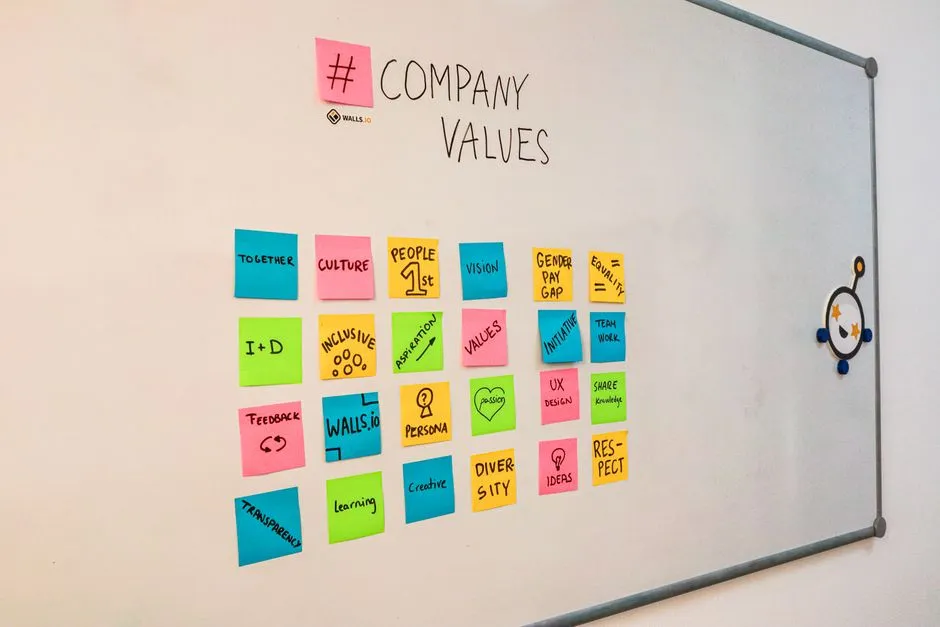
Why Corporate Culture Transformation Is the Most Urgent Leadership Priority Right Now
Corporate culture transformation is the intentional process of reshaping the shared values, behaviors, and systems that define how people think, act, and work together inside an organization — aligning them with where the business needs to go.
If you're looking for a quick-start answer, here's what successful corporate culture transformation requires:
- Diagnose first — assess the gap between your current culture and the culture your strategy demands
- Secure leadership commitment — leaders must model the change, not just mandate it
- Target high-impact behaviors — focus on a small number of specific, visible behavioral shifts
- Align your systems — ensure hiring, performance management, and rewards reinforce the new culture
- Sustain it deliberately — embed change into daily rituals, recognition, and team routines
Here's an uncomfortable truth: most culture change efforts fail before they ever gain traction.
Only 32% of mid-to-senior business leaders report that their last change initiative achieved strong employee adoption. And yet, 91% of executives agree that improving corporate culture would directly increase their organization's value. That gap — between knowing culture matters and actually changing it — is exactly where most organizations get stuck.
The cost of staying stuck is staggering. Employee disengagement alone costs a median S&P 500 company anywhere from $228 million to $355 million per year in lost productivity. That's not a people problem. That's a strategy problem.
Culture isn't soft. It's structural. It shapes every decision made, every behavior modeled, and every result your team delivers — or doesn't.
I'm Meghan Calhoun, co-founder of Give River and a workplace culture strategist with over two decades of experience leading high-pressure teams through exactly the kind of corporate culture transformation this guide is about. What I've learned — from nearly burning out as a sales leader to building a platform designed to make work genuinely fulfilling — is that real culture change isn't about perks or programs. It's about redesigning the system that surrounds your people every single day.
Let's dig into how you actually do that.
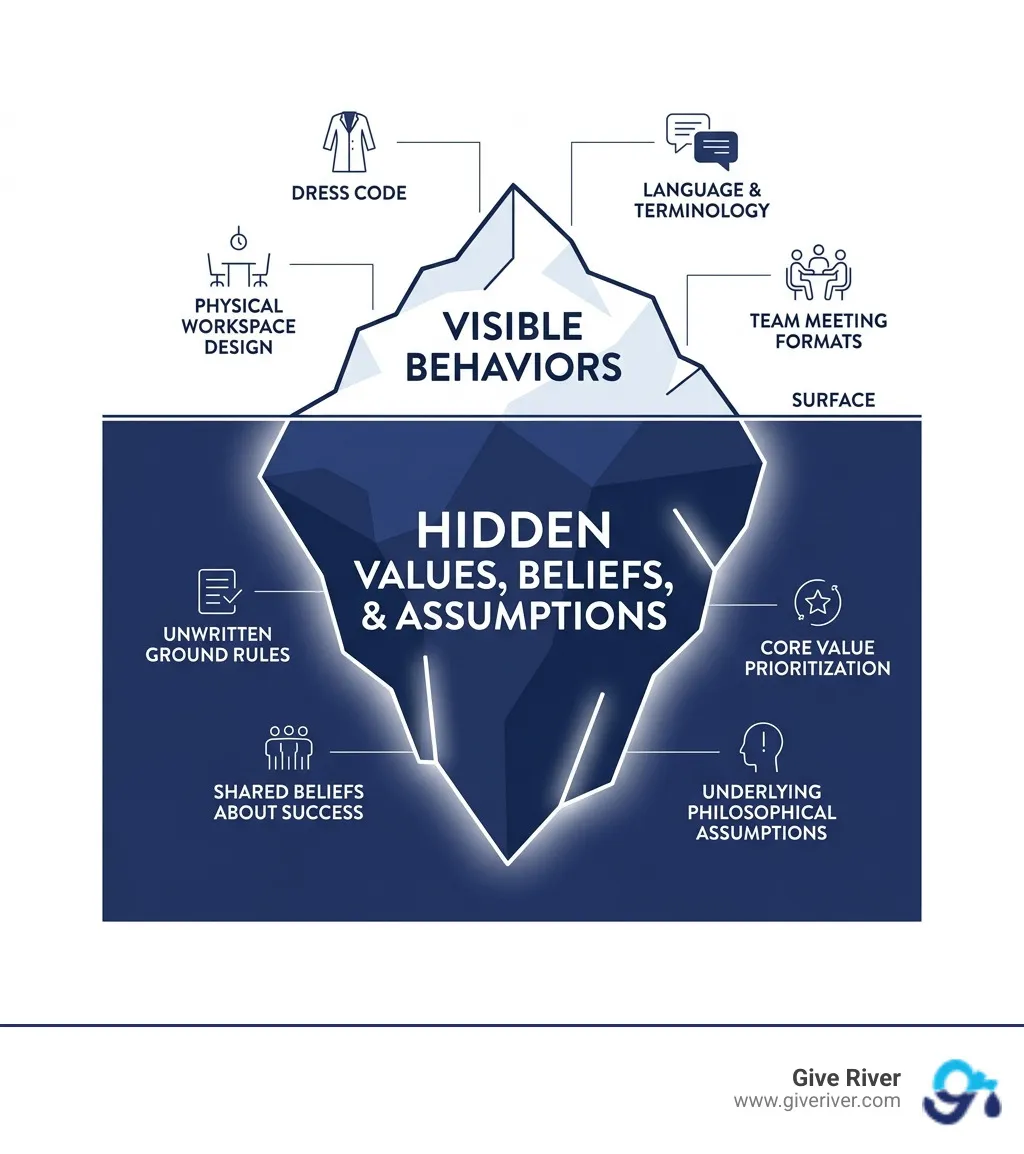
Quick corporate culture transformation terms:
The Strategic Framework for Corporate Culture Transformation
When we talk about corporate culture transformation, we aren't just talking about a fresh coat of paint on the office walls or a new mission statement in the breakroom. We are talking about shifting the very DNA of your organization.

Think of culture as the "unseen framework" of your business. It consists of shared values (what we care about), behavioral norms (how we do things), and deep-seated beliefs. When these are out of sync with your business strategy, friction occurs. Research shows that companies that actively shape their culture are five times more likely to achieve successful transformation and 80% more likely to reach breakthrough performance.
Furthermore, the financial impact is undeniable. Two-thirds of senior executives from the World’s Most Admired Companies attribute over 30% of their company’s market value to culture alone. If your culture isn't working, you aren't just losing "vibes"—you're losing valuation.
Recognizing the Need for a Corporate Culture Transformation
How do you know if your culture is "broken" or simply needs a tune-up? The signs are often visible if you know where to look. High turnover rates are a primary indicator; if your best people are jumping ship, they are likely fleeing a toxic or stagnant environment.
Other red flags include innovation slowdowns, where "we've always done it this way" becomes the standard response to new ideas, and a silo mentality, where departments protect their own interests rather than collaborating for the greater good. Recognizing these signs early is the first step toward building a winning workplace culture that attracts and retains top talent.
Proven Models: LEASH, McKinsey 7-S, and Kotter
To navigate the complexities of change, we can look to established frameworks that provide a roadmap for the journey.
The LEASH Model is a powerful tool for cultural overhaul, focusing on five critical levers:
- Leader actions: What leaders do matters more than what they say.
- Employee involvement: Change shouldn't be "done to" people; they should be part of it.
- Aligned rewards: Incentives must reflect the new cultural goals.
- Signals and symbols: Visible changes (like office layouts or logos) reinforce the shift.
- HR system alignment: Recruiting and training must support the new values.
Harvard research highlights that these levers, when pulled together, create a cohesive environment for organizational transformation.
Below is a comparison of two other heavy hitters in the change management world:
| Feature | Kotter’s 8 Steps | McKinsey 7-S Framework |
|---|---|---|
| Focus | Sequential process of change | Holistic organizational alignment |
| Key Element | Creating urgency and quick wins | Interconnection of "Hard" and "Soft" S's |
| Best For | Driving a specific initiative | Diagnosing systemic misalignment |
| Outcome | Sustained behavioral change | Optimized organizational performance |
The Leadership Catalyst in Cultural Shifts
Leaders are the thermostat of the organization—they set the temperature. To drive a corporate culture transformation, leaders must move from "telling" to "showing." This means modeling the exact behaviors they want to see in their teams. If you want a culture of radical candor, you must be the first to admit when you've made a mistake.
Another "power move" is to enroll rather than assign. Instead of mandating change via a top-down memo, invite employees to join the movement. Create "social contracts" where teams agree on how they will treat one another. This fosters psychological safety, which is the bedrock of enhancing workplace culture. When people feel safe to fail, they feel safe to innovate.
Actionable Steps to Accelerate Your Cultural Shift
Transformation doesn't happen in a vacuum. It happens in the daily interactions between colleagues, the way meetings are run, and the way successes are celebrated.
To move fast, you need to focus on high-impact behaviors. Instead of trying to change fifty things at once, identify the one behavior that, if changed, would have the biggest ripple effect. For example, if your goal is collaboration, you might start by making "cross-departmental feedback" a mandatory part of every project wrap-up.
Human-centric leadership is the secret sauce here. Studies show that when leaders focus on the well-being and growth of their people, transformations are 12 times more likely to succeed. This isn't just about being "nice"—it's about acknowledging that your people are the ones who actually execute the strategy.
Implementing a Step-by-Step Corporate Culture Transformation
We recommend a structured approach to ensure the change sticks:
- Diagnostic Phase: Use tools like the Organizational Culture Assessment Instrument (OCAI) to understand where you are and where you want to be. Are you currently a "Hierarchy" culture when you need to be an "Adhocracy" (innovative) culture?
- Behavioral Shifts: Define 3-5 specific behaviors that represent the new culture.
- Intervention Strategies: Implement formal changes (like new software) and informal changes (like new team rituals).
- Transparent Communication: Explain the "why" behind the change repeatedly. Resistance often stems from a lack of understanding.
By following these steps, you can start boosting employee engagement and seeing real-world results in productivity and morale.
Overcoming Resistance and Behavioral Barriers
Resistance to change is natural. In fact, it can be a valuable data point. Instead of pushing back against "legacy mindsets," use ethnographic research—deeply observing and listening to your employees—to understand why they are afraid.
Is it a fear of losing autonomy? Or perhaps they feel their past contributions are being devalued? Narrative reframing is key here. Don't tell them the old way was "bad"; tell them the old way was exactly what got the company to this point, but a new way is required to reach the next peak. This transition from crisis to championship culture requires empathy and patience.
Measuring ROI and Long-Term Sustainability
You cannot manage what you do not measure. To ensure your corporate culture transformation is more than just a temporary spike in morale, you must track specific metrics:
- Engagement Scores: Use pulse surveys to track sentiment over time.
- Retention Data: Monitor turnover rates in key departments.
- Profitability Metrics: Look for the 4% increase in profitability that often follows a 10% boost in purpose alignment.
At Give River, we use our 5G Method (Guided, Gamified, Gratitude, Growth, and Generosity) to help organizations sustain these shifts. While platforms like Bonusly or Kudos focus primarily on transactional peer-to-peer recognition, Give River differentiates itself by integrating wellness, professional growth, and generosity into a single ecosystem. This holistic approach ensures that the new culture becomes a lived experience that supports the whole person, rather than just a digital "thank you" board.
By aligning employee rewards and recognition with your new cultural values, you reinforce the behaviors that drive long-term success.
Conclusion: The Path Forward
Corporate culture transformation is a marathon, not a sprint. It typically takes 18 to 36 months to fully embed a new culture into an organization’s bones. But the rewards—higher engagement, lower turnover, and a massive boost in market value—are well worth the effort.
Culture is your organization's DNA. It determines how you are viewed by customers and how you are experienced by your employees. By diagnosing your current state, modeling the change from the top, and using tools to sustain behavioral shifts, you can flip the script and build a workplace where everyone thrives.
Ready to start your journey? Focus on one high-impact behavior today, and watch the transformation begin.
Key Takeaways for Your Transformation Journey:
- Culture is Strategy: It’s not a "nice-to-have"; it’s a valuation driver.
- Leadership is the Mirror: If you want change, you must embody it first.
- Systems Reinforce Behavior: Ensure your rewards and HR processes aren't fighting your new culture.
- Focus on the "Whole Person": Wellness and growth are essential for long-term sustainability.
Want to see how Give River can help you automate gratitude and growth in your organization? Explore our solutions here.
More from this category.

Why Building a Strong Volunteer Culture Is Critical for Your Organization's Success
Creating a volunteer culture goes beyond filling positions; it's about cultivating an environment where volunteers feel valued, connected to your mission, and empowered to make a meaningful impact.
Why Workplace Aspiration Is the Missing Link in Employee Engagement
Knowing how to empower the aspiration in the workplace is one of the most high-leverage things a leader or HR professional can do in 2026 — and most organizations are still getting it wrong.

Why Top Companies Are Embracing Mindfulness
Mindfulness in workplace settings has evolved from a wellness trend to a business imperative. In today's demanding work environment, where 83% of American workers suffer from work-related stress and workplace stress costs businesses over…
See the platform in action.
30-day free trial. No credit card. River Guide included on Core and Growth.