Why Corporate Volunteering is a Modern Business Imperative
Volunteer opportunities for businesses have evolved from nice-to-have perks into strategic imperatives for attracting talent, retaining employees, and building brand reputation. The business case is compelling: research shows that 77% of…

Why Corporate Volunteering is a Modern Business Imperative
Volunteer opportunities for businesses have evolved from nice-to-have perks into strategic imperatives for attracting talent, retaining employees, and building brand reputation. The business case is compelling: research shows that 77% of consumers are more motivated to purchase from companies with CSR initiatives, while 76% of U.S. employees want to work for a company trying to have a positive impact on the world. For companies struggling with turnover, this isn't just about doing good—it's about building a culture that attracts and retains top talent.
If you're looking for ways to engage your team while making a meaningful community impact, here are some of the most effective approaches:
Top Business Volunteer Opportunities:
- In-Person Activities: Community cleanups, food bank sorting, Habitat for Humanity builds, senior center visits, school improvement projects
- Skills-Based Programs: Pro bono consulting, nonprofit board service, strategic planning support
- Virtual Options: Online tutoring, grant writing assistance, social media management for nonprofits
- Hybrid Approaches: Employee volunteer programs with Volunteer Time Off (VTO), corporate matching grants, team-based seasonal campaigns
The challenge many HR leaders face is moving beyond one-off volunteer days. Employees today don't just want their companies to write checks to charities—they want to participate in making a difference and connect their work to something larger than quarterly targets.
Corporate volunteering is also a powerful tool for building team cohesion and developing leadership skills. When employees volunteer together, they build connections that transcend org charts and see their company in a new light. The most successful programs integrate community service into the company's core operations, aligning volunteer efforts with employee development and corporate values. This is where platforms like Bonusly or Kudos fall short—they recognize individual contributions but miss the opportunity to connect recognition to collective community impact.
I'm Meghan Calhoun, co-founder of Give River. I've seen how volunteer opportunities for businesses become powerful when they're woven into a comprehensive strategy for employee fulfillment, not treated as isolated events.
Beyond the positive community impact, well-executed volunteer programs significantly boost employee engagement and retention. When employees feel their company provides avenues for them to make a difference, their loyalty deepens. This is especially true for younger generations who prioritize companies involved in charitable causes, leading to better talent acquisition and a stronger company reputation. To understand more about these principles, explore our guide on What is Corporate Social Responsibility.
Top Volunteer Opportunities for Businesses and How to Get Started
The biggest challenge for HR leaders isn't finding volunteer opportunities—it's finding the right ones that engage your team and address real community needs. After working with hundreds of organizations, I've seen that a thoughtful mix of hands-on projects and skills-based initiatives transforms both teams and communities.
In-Person & Hands-On Volunteering Ideas
There's something transformative about rolling up your sleeves alongside colleagues. These experiences create bonds that no trust fall exercise can replicate. When your CFO is painting a community center wall next to an intern, hierarchies dissolve and authentic connections are built.
Community cleanups offer an accessible entry point. Organizing a cleanup day for local parks, riversides, or urban areas creates immediate, visible impact and demonstrates environmental commitment.
Animal shelter support is a surprisingly powerful experience. Spending a day walking dogs, cleaning facilities, or helping with adoption events is a proven mood-booster for volunteers.
Habitat for Humanity builds remain one of the most impactful volunteer opportunities for businesses. Your team literally builds homes for families in need—no construction experience required. The sense of accomplishment is immense.
Food bank sorting and distribution connects employees directly to their neighbors' challenges. Your team's efforts sorting donations or packing meal boxes make a measurable difference. The Impact of Food Banks on Community is about providing dignity and support.
School improvement projects are another avenue for meaningful impact. Teams can paint murals, renovate classrooms, or create community gardens, investing in better learning environments for the next generation.
Senior center visits combat social isolation while offering your team perspective. Spending time with seniors in conversation or activities is a rewarding experience for everyone.
Donation drives create participation opportunities at scale. Organize drives for school supplies, hygiene kits, or holiday wish lists, then have teams assemble and distribute the items together.
These hands-on activities are powerful Community Involvement Programs that boost morale and improve collaboration.

Skills-Based & Virtual Volunteer Opportunities for Businesses
Your team's professional expertise is often more valuable to nonprofits than their ability to wield a paintbrush. Skills-based and virtual volunteer opportunities for businesses leverage what your employees do well and are perfect for including remote and hybrid team members.
Pro bono consulting is a high-impact option. Your marketing, finance, or HR teams can provide strategic support that nonprofits couldn't otherwise afford. This approach exemplifies Strategic CSR Examples by building nonprofit capacity while developing your employees' skills.
SCORE mentorship allows seasoned executives to give back by providing free business mentoring to aspiring entrepreneurs, creating jobs and strengthening local economies.
Online tutoring and language classes address critical educational gaps. Employees can tutor students online or offer translation services to help immigrants integrate into their communities.
Content creation and social media management can transform a nonprofit's reach. Your marketing and design teams can volunteer to create compelling content, manage social accounts, or design promotional materials.
Grant writing assistance addresses a persistent challenge for nonprofits. Employees with strong writing skills can help organizations secure the critical funds they need to operate.
Coding support and IT assistance fills crucial gaps for nonprofits operating on shoestring budgets. Your tech professionals can help with website development, database management, or cybersecurity.
Virtual fundraising events allow your team to help nonprofits organize and promote digital campaigns to reach wider audiences.
These virtual and skills-based opportunities integrate seamlessly with Workplace Giving Programs, allowing employees to contribute from anywhere while feeling connected to a larger purpose.

How to Build and Measure Your Corporate Volunteering Program
Creating a meaningful corporate volunteering program requires thoughtful planning and strategic alignment. The goal is to create experiences that genuinely benefit both the communities we serve and our teams.
Aligning Volunteer Efforts with CSR/ESG Goals
The most successful volunteer opportunities for businesses are woven into the fabric of what the company stands for. If environmental sustainability is a core value, then tree-planting initiatives are an authentic expression of that value. This alignment matters: research shows that 80% of consumers are more likely to buy from and 84% of employees are more likely to work for a company that stands up for the environment. When volunteering connects to broader CSR and ESG Initiatives, you demonstrate authentic commitment and open up the Advantages of Corporate Social Responsibility.
Key Considerations for Planning and Executing a Corporate Volunteer Program
- Gather employee feedback: Start by surveying your team to understand what causes they care about and what skills they want to share. This ensures your program resonates with them.
- Define clear objectives: Are you aiming to contribute a certain number of volunteer hours, support a specific number of families, or develop leadership skills? Clear goals provide a target to work toward.
- Partner with the right nonprofits: Organizations like L.A. Works or HandsOn Network specialize in connecting businesses with meaningful projects, handling logistics so your team can focus on impact.
- Provide support and incentives: Offering Paid Volunteer Time Off (VTO) removes a major barrier. Many companies also offer matching gifts, where the company matches employee donations to charities.
- Address logistics: Think through transportation, meals, and safety guidelines. For remote teams, prioritize virtual and flexible opportunities to ensure everyone can participate.
- Maintain momentum: Recognize participants, share the impact they made, and promote upcoming opportunities to keep volunteering top of mind.
Measuring the Impact of Corporate Volunteering Efforts
If you can't measure your impact, you can't improve it. Tracking both quantitative and qualitative metrics is crucial for demonstrating ROI and refining your programs.
For quantitative metrics, track volunteer hours contributed. According to Independent Sector's Value of Volunteer Time, the estimated national value of every volunteer hour is $31.80. This means a team contributing 100 hours provides $3,180 in economic value. Also measure outputs like meals packed, homes built, or trees planted.
Qualitative metrics tell the human story. Use post-event surveys to understand the volunteer experience and sense of fulfillment. Gather feedback from nonprofit partners on the value of your team's contributions. Capture stories and anecdotes from volunteers and beneficiaries to bring the data to life.
To track this information, you need the right tools. This is a key area where platforms differ. For example, while recognition platforms like Bonusly or Kudos excel at individual praise, they are not designed to manage and measure a holistic volunteer program. In contrast, a comprehensive workplace giving solution tracks volunteer hours, manages event sign-ups, and integrates these efforts into your overall approach to employee fulfillment, helping you understand and amplify your collective Charitable Impact.
Conclusion: Driving Impact and Engagement Through Generosity
The evidence is clear: volunteer opportunities for businesses are a powerful investment in your people and your brand. When you create authentic opportunities for teams to give back, you invest in their sense of purpose—which pays dividends in employee fulfillment, retention, and performance.
From hands-on projects like Habitat for Humanity builds to skills-based virtual volunteering, the right opportunities allow every team member to make a difference. But what sets transformative programs apart is integration. They are measured, celebrated, and connected to both individual growth and collective impact. While platforms like Bonusly or Kudos are useful for peer-to-peer recognition, they don't capture the full picture of how volunteering strengthens communities and builds a brand that attracts top talent.
At Give River, our 5G Method integrates Charitable Impact with recognition, wellness, and growth tools because we know fulfillment isn't one-dimensional. When an employee volunteers, that generosity should be recognized and connected back to company values and their own professional growth.
Creating a culture of generosity requires intention. It means providing structured opportunities, measuring what matters, and reinforcing a workplace culture where people want to stay and grow. The organizations that thrive today are those that understand what people truly want: to feel that their work matters and that together, they're making a real difference.
Ready to transform your workplace culture and amplify your community impact? Discover how Give River can help you build a culture of generosity and engagement today!
More from this category.
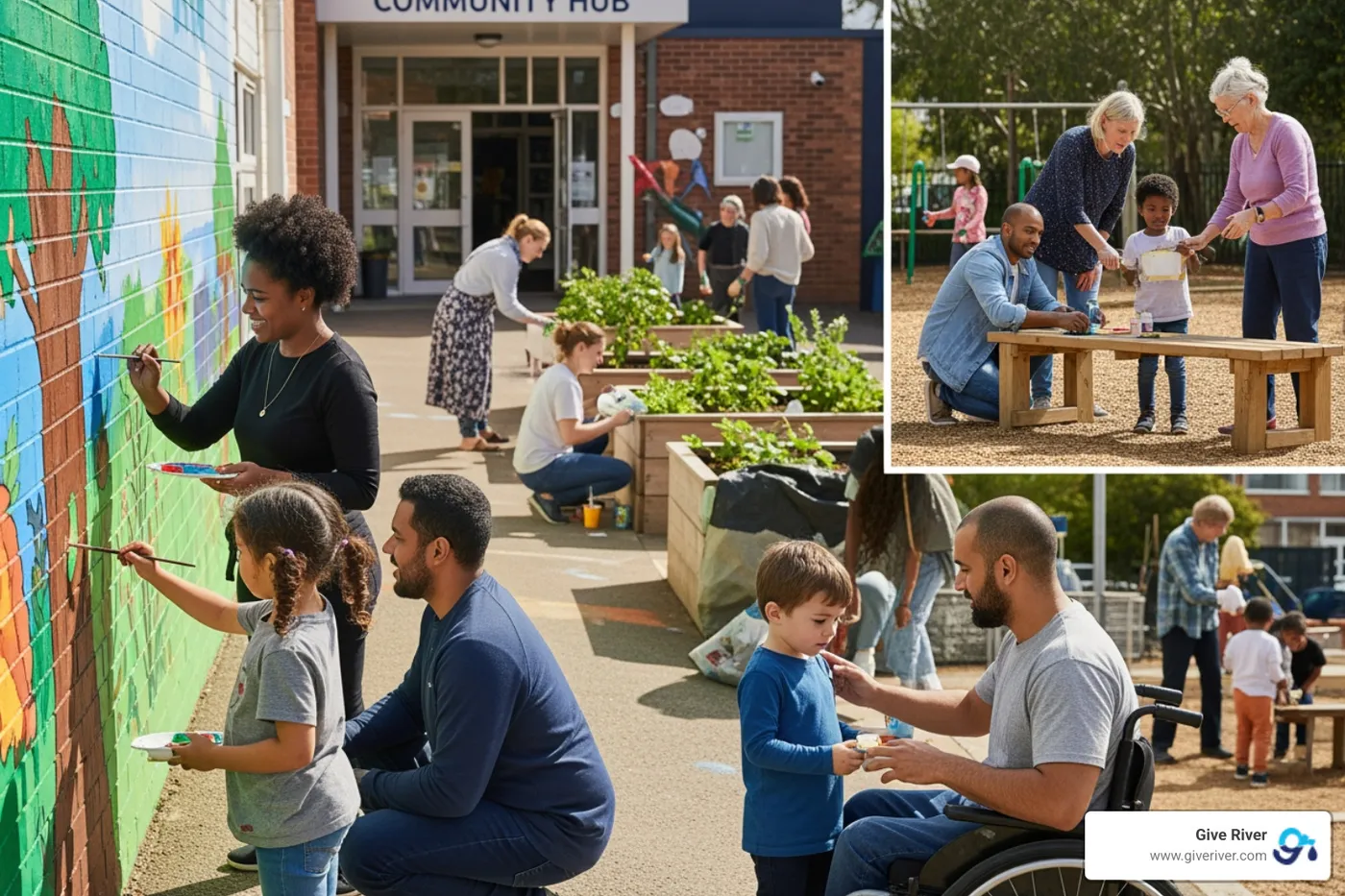
Why Community Involvement Grants Matter for Your Organization's Impact
Community involvement grants provide essential funding to help organizations—from nonprofits and schools to businesses—create meaningful change. These grants can feel overwhelming to steer, but they offer a powerful way to address critical…

Why Getting Involved Matters: More Than Just Giving Back
Community involvement ideas span from food drives and tutoring to charity runs and park clean-ups. Whether you prefer hands-on projects, skill-based opportunities, donation drives, or corporate volunteer programs, there are countless ways…
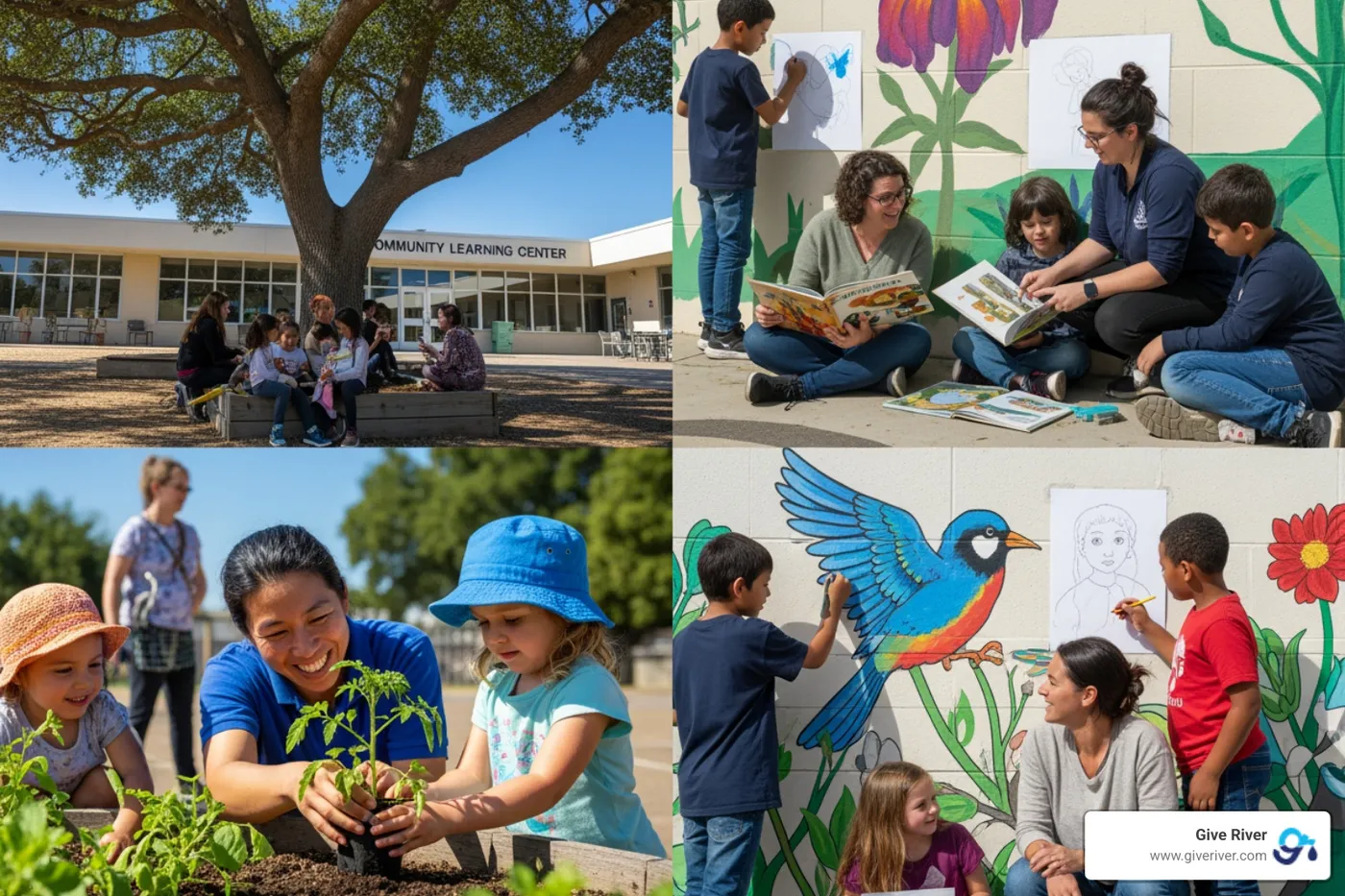
Why Community Involvement Programs in Schools Matter
Community involvement programs in schools are collaborative relationships between educational institutions and local stakeholders like families, businesses, and non-profits. They are crucial for creating a supportive ecosystem that…
See the platform in action.
30-day free trial. No credit card. River Guide included on Core and Growth.