Why an Employee Recognition Action Plan is Your Ultimate Culture-Building Tool
An employee recognition action plan is a structured framework that transforms sporadic appreciation into a systematic culture-building strategy. Here's what an effective action plan includes:

Why an Employee Recognition Action Plan is Your Ultimate Culture-Building Tool
An employee recognition action plan is a structured framework that transforms sporadic appreciation into a systematic culture-building strategy. Here's what an effective action plan includes:
- Clear program objectives aligned with company values and business goals
- Multi-dimensional recognition approaches (formal awards, informal praise, peer-to-peer appreciation)
- Personalized reward systems custom to individual employee preferences
- Implementation strategy with leadership buy-in, manager training, and communication plans
- Measurement framework using KPIs like engagement scores, retention rates, and productivity metrics
- Continuous refinement process based on employee feedback and program analytics
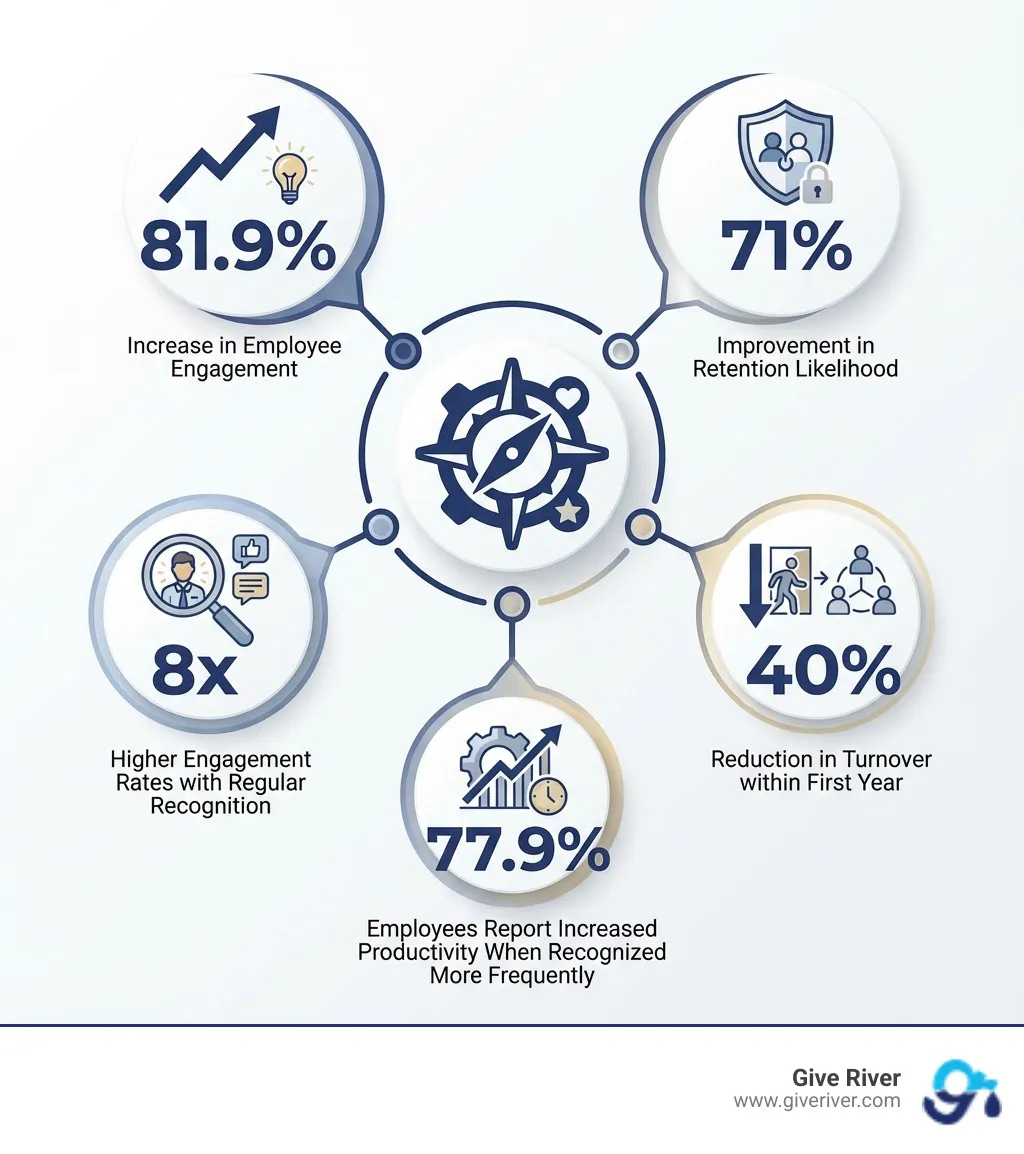
The statistics tell a compelling story: 81.9% of employees confirm that recognition improves their engagement, while 71% say they'd be less likely to leave if recognized more frequently. Yet most organizations still approach recognition as an afterthought—a birthday card here, an Employee of the Month plaque there—rather than as the strategic imperative it truly is.
The cost of this ad-hoc approach? Companies lose top talent, watch productivity decline, and struggle to build the positive culture that attracts exceptional employees. Meanwhile, organizations with structured recognition programs see up to 8 times higher engagement and can reduce turnover by 40% within the first year.
The difference between companies that retain their best people and those that watch them walk out the door often comes down to one thing: a well-designed employee recognition action plan that makes appreciation consistent, meaningful, and integrated into daily work life.
While platforms like Bonusly and Kudos offer recognition tools, the real challenge isn't finding software—it's designing a comprehensive strategy that addresses the complete science of human fulfillment, from gratitude and growth to purpose and peer connection. This guide distills lessons from high-performing teams into a practical roadmap you can implement immediately.
The 5-Step Employee Recognition Action Plan for Lasting Impact
Building a thriving workplace culture requires intentional design. This powerful employee recognition action plan is a structured, five-step approach to guide you from idea to lasting impact. It’s not just about giving awards; it’s about embedding appreciation into your organization's fabric.
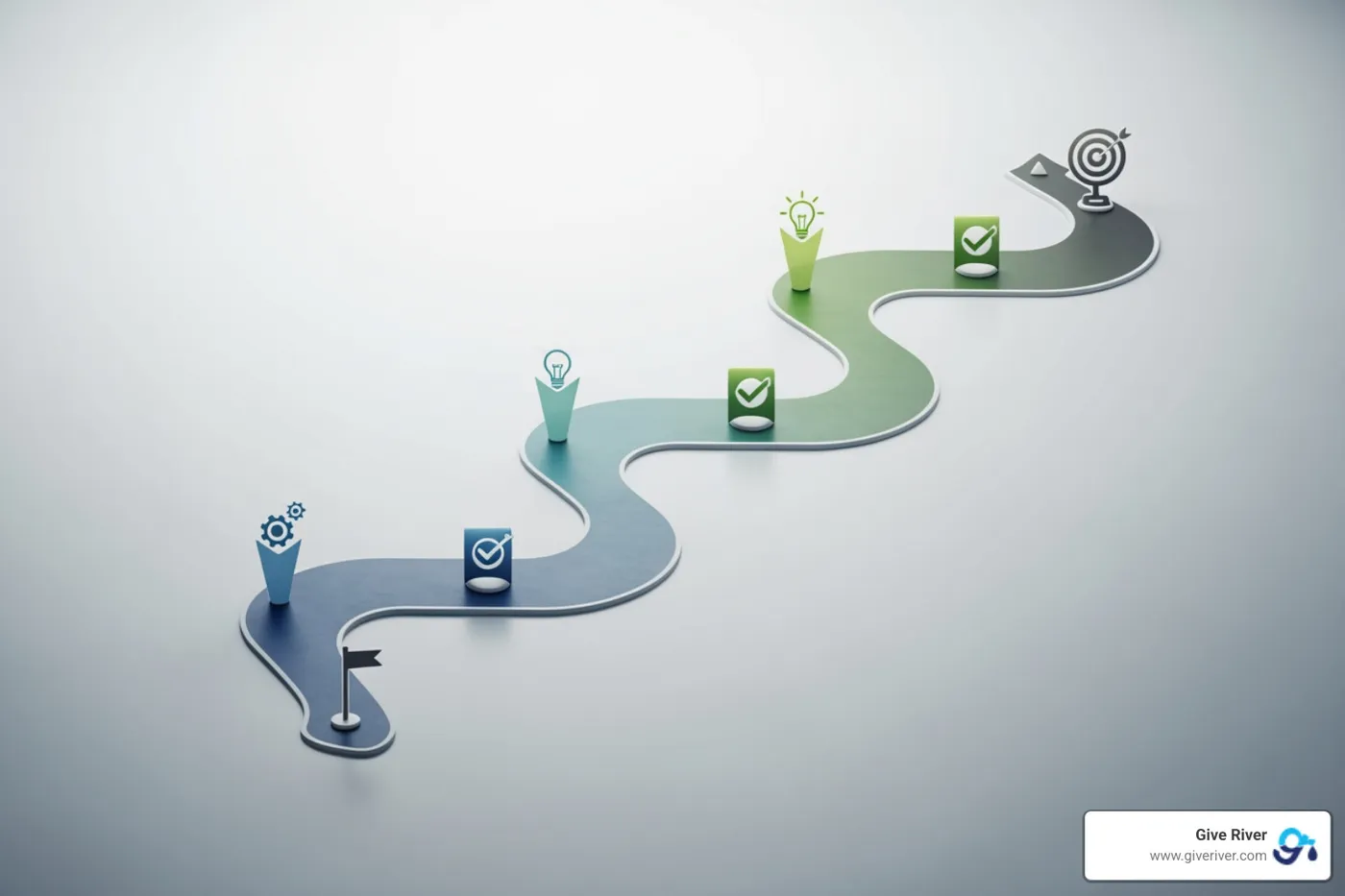
These steps form a roadmap to design, implement, and continuously refine your recognition initiatives, ensuring they genuinely resonate with your team and contribute to your broader business objectives. Let's dive in.
Step 1: Define Your "Why" and Secure Leadership Buy-In
First, define your "why." Is your goal to improve retention, foster collaboration, or drive performance? This purpose will dictate your program's objectives and success metrics.
Next, align recognition with your company's core values. If "innovation" is a value, celebrate creative solutions. This alignment makes recognition a powerful tool for reinforcing desired behaviors.
Effective recognition requires a dedicated budget for rewards, administrative time, and potential software costs. Plan for the time and effort your team will invest in managing the system.
To secure the budget, present a compelling ROI case. Highlight how recognition impacts engagement, retention (appreciated employees are 2.5x more likely to stay), and productivity. Gaining leadership buy-in is crucial, as their championship encourages adoption. Managers are vital program champions who must integrate recognition into daily operations.
Step 2: Design a Multi-Dimensional Recognition Program
An impactful program is multi-dimensional, integrating day-to-day, informal, and formal recognition into the daily work rhythm.
- Day-to-Day Recognition: Simple, organic praise like a sincere "thank you" or acknowledging effort. These frequent, no-cost gestures significantly boost morale.
- Informal Recognition: Low-cost, tangible gestures for specific achievements, like a handwritten note, small gift card, or a public shout-out in a team meeting. Be prompt and specific to connect the action to the appreciation.
- Formal Recognition: The most structured layer, tied to significant accomplishments like annual awards, service anniversaries, or career advancements. These programs have clear rules and align with company culture.
Incorporate both peer-to-peer and manager-led recognition. Peer recognition builds community and highlights unseen contributions, while manager-led recognition sets a powerful example.
When considering rewards, we differentiate between monetary and non-monetary options, understanding that both have their place and impact.
| Reward Type | Examples | Impact on Motivation & Culture |
|---|---|---|
| Monetary | Cash bonuses, gift cards, redeemable points, pay raises, company stock options. | Provides immediate, tangible value and can be highly motivating. However, overuse can feel transactional and diminish its emotional impact. Tangible rewards strengthen the brain's achievement-reward pathways. |
| Non-Monetary | Public praise, handwritten notes, extra paid time off, professional development opportunities (courses, conferences), increased autonomy, flexible work arrangements, team lunches, personalized thank-you videos, feature in company newsletter, mentorship opportunities, donation to charity in employee’s name, upgraded equipment. | Fosters emotional connection, builds a positive culture, and has a lasting impact on loyalty. Often perceived as more sincere, it boosts engagement and belonging. Intangible benefits like autonomy can be more valuable for culture-building, and weekly recognition makes employees feel more valued. |
Our approach emphasizes that while monetary rewards are valuable, the "intangible benefits are more valuable than tangible ones for building a positive organizational culture." The goal is to offer a buffet of options, ensuring that recognition is both meaningful and impactful for the recipient.
Step 3: Personalize Rewards and Integrate into Daily Workflows
For recognition to resonate, it must be personal and specific. Instead of a generic "good job," say "thank you for staying late to help with the client proposal." Understand how individuals prefer to be recognized—publicly or privately. Gather this input through informal chats, polls, or onboarding.

Personalize awards to make them memorable. Align gifts with an employee's interests, like a photography workshop for a budding photographer. This makes the recipient feel truly seen and valued.
Technology plays a pivotal role in making personalized recognition scalable and integrated into daily workflows. Modern employee recognition platforms allow for easy, frequent, and personalized gestures. We can embed recognition tools directly into the communication platforms our teams already use, such as Slack or Microsoft Teams. This makes giving and receiving recognition as simple as sending a message, ensuring it happens "in the flow of work" rather than being an additional chore.
For remote and hybrid teams, technology is indispensable. It bridges geographical gaps, allowing for virtual team lunches, digital shout-outs, and shared recognition feeds that maintain visibility and connection. Platforms like our own, and others such as Bonusly or Kudos, provide the infrastructure to track recognition, manage rewards, and celebrate milestones, ensuring that every team member, regardless of location, feels equally appreciated. These platforms make it easy to send a personalized eCard, award points redeemable for chosen gifts, or highlight achievements across the company.
Step 4: Launching Your Employee Recognition Action Plan
A well-designed employee recognition action plan deserves a strong launch. It's an opportunity to generate excitement, educate your team, and signal a cultural shift.
Use a frequent, multi-channel communication plan (all-hands, newsletters, Slack/Teams) to introduce the program. Ensure everyone knows its purpose and how to participate, using video guides or FAQs to clarify the process.
Invest in manager training. As frontline champions, they need skills to give timely, specific, and meaningful feedback. Training should cover the "why," best practices, and how to use new tools. Empowered managers become powerful advocates.
Make the kick-off a celebration—virtual or in-person—to mark a new era of appreciation. Involve leadership to recognize early adopters and demonstrate the system.
Drive adoption by making recognition simple and accessible. Remove bureaucracy to encourage spontaneous appreciation. Keep the program top of mind with reminders, contests, and by integrating it into workflows, like adding "kudos" to meeting agendas.
However, we must also be aware of common mistakes. A recognition program can fail if it's overly bureaucratic, infrequent, or lacks visibility. Traditional "Employee of the Month" awards, while well-intentioned, often miss the mark due to their infrequency and lack of specificity. We aim for consistent, visible, and specific recognition that avoids tokenism and truly resonates with our diverse workforce.
Step 5: Measure, Analyze, and Refine Your Employee Recognition Action plan
Launching the plan is just the beginning. Sustaining its impact requires continuous measurement and refinement. Treat your program as a living initiative, adapting to your team's evolving needs.
Measure effectiveness by tracking key performance indicators (KPIs) before and after implementation to assess impact. Primary KPIs include:
- Employee Engagement: Monitor scores via pulse or annual surveys. Since 81.9% of employees link recognition to better engagement, expect an upward trend.
- Employee Retention: Track turnover rates. Since appreciated employees are far less likely to leave, this is a direct indicator of success.
- Productivity Metrics: Look for correlations in project completion rates or sales figures. 77.9% of employees report they would be more productive if recognized more often.
- Participation Rates: How many employees are giving and receiving recognition? High participation indicates a healthy, ingrained culture of appreciation.
- Qualitative Feedback: Use surveys and focus groups to gather invaluable insights. Ask what employees find meaningful and what can be improved. Listening is a powerful form of recognition.
We can also leverage analytics from our recognition platforms to identify trends, such as who is being recognized most often, the content of the recognition, and usage patterns across different teams. This data helps us ensure inclusivity and address any imbalances.
Finally, your program must evolve based on feedback. Make adjustments like refreshing rewards or updating training. For example, a 2017 study on employee autonomy and well-being found that greater autonomy boosts job satisfaction. Integrating such insights keeps your program fresh. Continuously refining your employee recognition action plan ensures it remains a powerful tool.
Conclusion: Cultivate a Thriving Culture of Appreciation
The journey from idea to impact with an employee recognition action plan is transformative. We've seen how strategically designed recognition, rooted in a clear "why" and supported by leadership, can profoundly reshape workplace culture. It's about moving beyond sporadic gestures to embedding appreciation into every interaction, making it multi-dimensional, personalized, and seamlessly integrated into daily workflows.
The key takeaways are clear: consistent, visible, and specific recognition is not just a "nice-to-have" perk but a strategic imperative. It drives engagement, boosts motivation, skyrockets productivity, and significantly improves retention. By actively defining our purpose, securing leadership buy-in, designing inclusive programs, personalizing rewards, and continuously measuring our impact, we cultivate an environment where every team member feels valued and understood.
This continuous improvement cycle ensures our recognition efforts remain relevant and impactful, fostering a positive workplace that benefits everyone. When employees feel appreciated, it directly contributes to their well-being, protecting them from burnout and increasing their sense of belonging. Recognition-led wellness programs, for instance, can make employees up to 90% less likely to report feeling burned out.
A robust employee recognition action plan contributes to a positive company culture and a greater community impact. It builds trust, strengthens relationships, and reinforces the behaviors that drive collective success. While platforms like Bonusly and Kudos offer strong peer-to-peer recognition features, Give River differentiates itself by taking a more holistic approach. We believe in changing workplace culture through our unique 5G Method, which integrates recognition, wellness, and growth tools to boost employee fulfillment and productivity. We aim to create a game of good deeds where gratitude, gamification, and generosity flourish.
Ready to cultivate a thriving culture of appreciation and open up your team's full potential? Learn more about our comprehensive recognition platform and how we can help you implement your winning initiatives.
More from this category.
Best Employee Recognition Software for Nonprofits (2026)
What nonprofits need from recognition software, what six platforms charge mission-driven teams, and how to get a grant-funded Season of Give River for free.

Employee Recognition Software Pricing in 2026: What 6 Platforms Charge
What Give River, Bonusly, Motivosity, Nectar, Awardco, and Workhuman charge in 2026, from their own sites: pricing models, minimums, fees, and contract terms.

How to Improve Employee Recognition Across Multiple Locations
Six practical ways to make recognition reach every site and shift, what to look for in a platform, and how a 25-location nonprofit did it.
See the platform in action.
Free for up to 25 members, or try Core or Growth free for 30 days. A card is required; Free is never charged, and a trial bills when it ends unless you cancel.