The Blueprint for Comprehensive Employee Health and Wellness
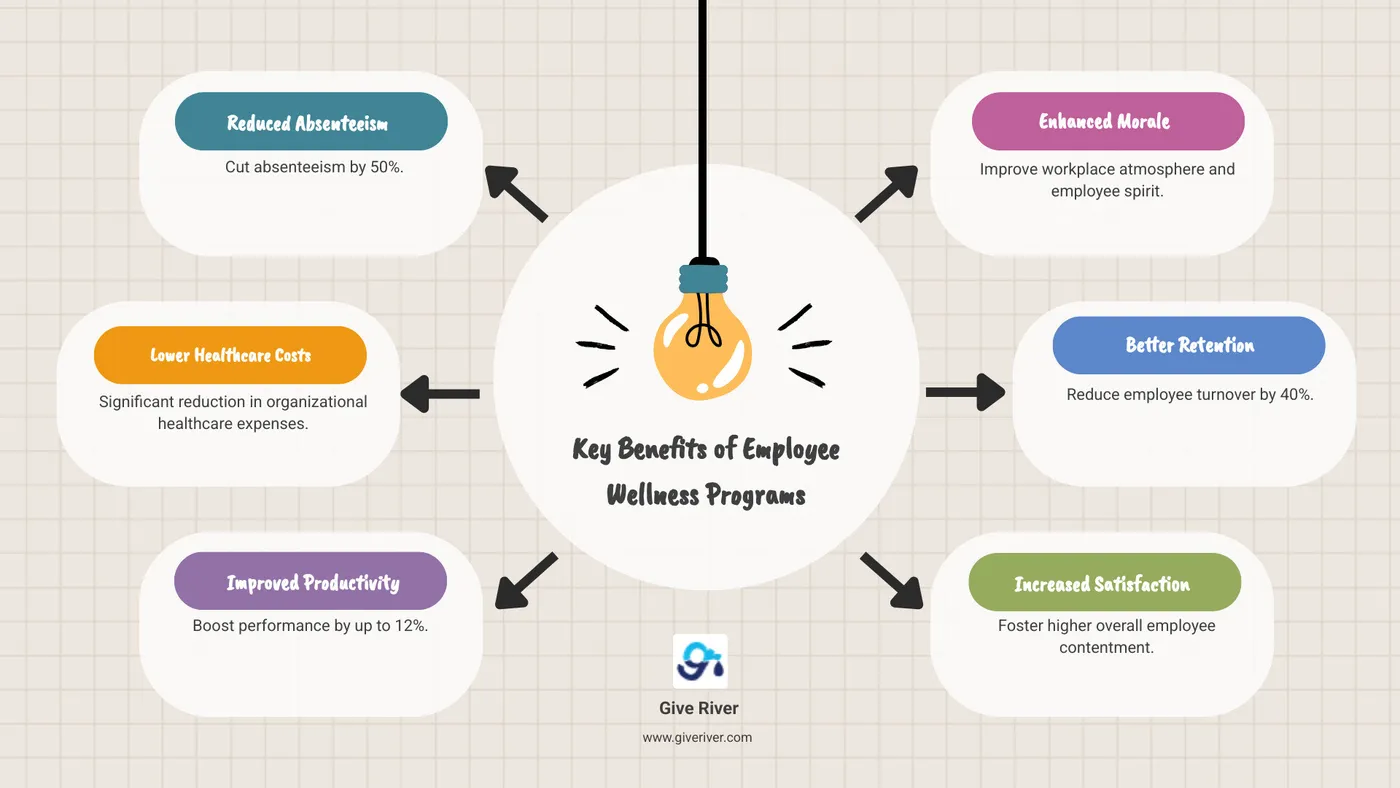
Employee health and wellness has become a cornerstone of organizational success. Companies that prioritize wellness see measurable results, including reduced absenteeism, up to 40% lower turnover, and double-digit productivity boosts.…

The Blueprint for Comprehensive Employee Health and Wellness
Employee health and wellness has become a cornerstone of organizational success. Companies that prioritize wellness see measurable results, including reduced absenteeism, up to 40% lower turnover, and double-digit productivity boosts. Investing in employees' well-being improves their health, work-life balance, and overall fulfillment. For organizations, this translates to lower healthcare costs, increased productivity, stronger recruitment, and a better workplace culture.
The research is clear: with Americans spending over a third of their day at work, the workplace is a critical setting for health promotion. According to the Centers for Disease Control and Prevention, well-designed workplace health programs can significantly improve population health. Yet, while 71% of executives see employee engagement as vital, only 33% of employees feel engaged. This points to a deeper need for fulfillment, not just engagement.
Workplace stress costs businesses $550 billion annually, contributing to chronic disease and burnout. When 77% of employees experience burnout, the problem isn't individual resilience—it's the system. We need to redesign how work works.
I'm Meghan Calhoun, Co-Founder of Give River. After nearly burning out at a Fortune 100 company, I learned that sustainable performance isn't about more pressure. It's about combining gratitude, growth, connection, purpose, and celebration.
This guide provides a blueprint for building wellness programs that transform workplace culture and deliver measurable results.
Explore more about employee health and wellness:
The Foundation: Why Prioritizing Employee Health and Wellness is a Business Imperative
The connection between an employee's well-being and their work environment is profound. Since full-time employees spend over a third of their waking hours at work, the workplace significantly shapes their physical, mental, and emotional health. A supportive environment fosters well-being, while a toxic one leads to stress and illness.
Prioritizing employee health and wellness is a strategic business imperative. When employers invest in their workforce's well-being, they commit to safety and risk reduction, creating a flourishing workplace that boosts productivity and success.
For individuals, effective programs improve health behaviors and reduce health risks. For organizations, the advantages are compelling: lower healthcare costs, reduced absenteeism, higher productivity, improved recruitment and retention, and a stronger workplace culture.
Workplace stress is a major concern, contributing to chronic diseases and lost productivity. Robust wellness initiatives mitigate these risks. Research from the World Health Organization shows that for every $1 invested in mental health treatment, there is a $4 return in improved health and productivity. To dive deeper into the direct impact of well-being on output, explore More info about Employee Wellness and Productivity.
Building Your Program: Key Components and Effective Strategies
An effective employee health and wellness program requires a comprehensive approach that addresses multiple dimensions of well-being.

A comprehensive program should include:
- Physical Wellness: Encompasses fitness support (gyms, challenges), smoking cessation programs, health screenings, and nutritious food options.
- Mental Health Support: Includes access to confidential counseling (EAPs), stress management workshops, and mindfulness resources to combat burnout.
- Financial Wellness: Offers financial education, workshops on budgeting and retirement, and access to financial advisors to reduce money-related stress. For more, see More info about Financial Wellness Education.
- Social Wellness: Fosters community through team-building activities, social events, and volunteer opportunities. For ideas, see More info about Employee Wellness Activities.
- Work-Life Balance: Involves flexible schedules, remote work options, and policies that support personal and family responsibilities to prevent burnout.
When designing your program, consider these approaches:
- Coordinated Approach: A planned set of programs, policies, and benefits designed to meet specific health and safety needs.
- Systematic Approach: A structured process from assessment to evaluation, ensuring programs are custom, effective, and adaptable.
- Comprehensive Approach: Integrates interventions addressing multiple risk factors across individual, cultural, and environmental levels.
| Approach | Focus | Key Characteristics |
|---|---|---|
| Coordinated | Planned and organized set of interventions for specific needs | Programs, policies, benefits, and environmental supports are intentionally designed to work together to meet the health and safety needs of the workforce. |
| Systematic | Consistency, efficiency, and adaptability over time | Emphasizes a structured process (assessment, planning, implementation, evaluation) to ensure programs are well-organized, custom to the organization, and can evolve with changing needs. |
| Comprehensive | Addressing multiple risk factors and health conditions simultaneously | Integrates various interventions across individual behavior, organizational culture, and the work environment. Acknowledges the interplay of different wellness dimensions (physical, mental, financial, social) and aims for broad impact. |
While many platforms focus on a single piece of the puzzle—for example, Bonusly and Kudos excel at peer-to-peer recognition—a truly comprehensive strategy addresses the whole employee. This is where Give River stands apart. Instead of just offering recognition tools, Give River integrates recognition with robust wellness programs, goal tracking, and professional growth resources. This holistic approach ensures employees are not only celebrated for their contributions but are also supported in their overall well-being and career development, creating a more resilient and engaged workforce.
Driving Engagement: How to Encourage Participation and Communicate Value
Even the best employee health and wellness programs fail without participation. Encouraging engagement requires effective communication, tangible benefits, and a supportive culture.
Effective communication is paramount. Use multiple channels (email, newsletters, internal sites) to explain not just what programs are available, but why they matter. Focus on personal benefits like reduced stress and share success stories to build momentum.
Offering incentives can be a strong motivator. These can include extra time off, recognition, or professional development. Gamification, with challenges and leaderboards, can also significantly boost engagement. For ideas, explore More info about Employee Wellness Gamification Tips.
Flexible scheduling is critical. Employees are more likely to participate if activities fit their schedules, such as lunch-break classes or 24/7 online resources.
Tailoring programs to individual needs is crucial. Use surveys and focus groups to understand what your workforce wants. This allows you to create resonant, Personalized Wellness Plans.
Finally, fostering a culture that values well-being is the bedrock of participation. When leadership champions wellness, it becomes a core organizational value.
The Role of Leadership in Fostering a Culture of Wellness
Leadership is pivotal in shaping a culture of employee health and wellness. Without strong, visible support from the top, even the best programs can fall flat.

Leaders must be role models. When executives participate in wellness activities, discuss mental health openly, and model healthy work-life boundaries, they send a powerful message that well-being is a core value.
Beyond participation, leaders must champion a culture of health by allocating resources and integrating wellness into the company's strategy. This fosters an environment where employees feel valued and respected.
Leadership also plays a key role in promoting psychosocial health and safety. This means creating a work environment free from harassment and excessive stress, with policies that support work-life balance. Providing managers with training and tools for a holistic approach is essential for their success.
A culture of wellness starts at the top. Leaders who invest in their employees' well-being cultivate an environment where everyone can thrive. For more insights, refer to More info about Employee Wellness Best Practices.
Measuring Success and Integrating for Maximum Impact
Implementing employee health and wellness programs is only half the battle; measuring their success is the other. Without proper measurement, we can't understand our return on investment (ROI) or identify areas for improvement.
Measure success by tracking key performance indicators (KPIs):
- Participation Rates: High participation indicates program appeal and accessibility.
- Health Risk Assessments (HRAs) and Biometric Screenings: Track changes in employee health over time.
- Absenteeism and Presenteeism Rates: A reduction in sick days and an increase in productivity are direct indicators of a healthier workforce.
- Healthcare Costs: Tracking medical claims can reveal cost savings, though a robust analysis often requires 2-3 years of data.
- Employee Engagement and Satisfaction Surveys: Gauge how employees feel about their well-being and the support they receive.
- Retention Rates: Lower turnover can indicate a more satisfied and loyal workforce.
Integrating occupational safety and health (OSH) with wellness programs is crucial for maximizing impact, as combined approaches are more effective. This means considering physical hazards, ergonomics, and mental health risks as part of the broader well-being picture.
To track this data securely, organizations need robust platforms. More info about Wellness Platforms: Anonymized Employee Health Data Reporting highlights the importance of privacy, while More info about HIPAA Compliant Wellness Tracking Platforms covers legal requirements.
Essential Support Systems for Employee Wellbeing
Beyond general programs, specific support systems are vital for addressing acute employee health and wellness needs.
The Employee Assistance Program (EAP) is a critical component, offering confidential, short-term counseling and support for a range of issues, including mental health, work-life balance, substance abuse, and crisis support. EAPs act as a confidential resource, connecting employees with health professionals without fear of judgment.
Another essential system is Integrated Disability Management. This systematic approach supports employees with health issues impacting their work. Key aspects include:
- Assessing Functional Abilities: Understanding an employee's capabilities based on objective medical information.
- Facilitating Accommodations: Modifying job duties or the work environment to enable continued work.
- Developing Return-to-Work Plans: Collaborating with all parties to ensure a safe and successful reintegration.
- Coordination with External Providers: Liaising with EAP providers for specialized support.
These systems demonstrate a commitment to supporting employees through difficult times, reinforcing a caring workplace culture. To learn more, consult More info about Employee Wellbeing Programs.
Conclusion: From Blueprint to Reality: Building a Thriving Workplace
The journey from managing human resources to cultivating a thriving workforce is paved with a strategic approach to employee health and wellness. Prioritizing well-being is essential for business success, driving reduced absenteeism, lower healthcare costs, boosted productivity, and stronger retention.
The blueprint we've outlined emphasizes comprehensive programs that address physical, mental, and financial well-being. It highlights the need for custom strategies, effective communication, and strong leadership to foster a culture where wellness is an ingrained value. Measuring success and integrating occupational safety ensures these efforts are impactful and sustainable.
At Give River, we know true employee fulfillment goes beyond traditional wellness. Our unique 5G Method integrates recognition, guidance, wellness, growth content, gamification, and community impact. While platforms like Bonusly or Kudos offer excellent tools for recognition, they often address only one part of the employee experience. Give River provides a comprehensive ecosystem that nurtures every aspect of an employee's journey, from their health and well-being to their professional growth and sense of purpose.
By embracing this blueprint, you're not just implementing programs; you're investing in your organization's long-term success and resilience. You're building a workplace where employees feel valued, supported, and empowered to thrive.
Ready to transform your workplace culture? Find out how integrated solutions can lift your employee health and wellness strategy.
More from this category.

Importance of Workplace Health and Wellness Programs
Workplace health and wellness programs are an essential element in fostering a supportive and productive workplace culture. These programs can significantly improve employee wellness, improve job satisfaction, and reduce turnover. A…

The Connection Between Employee Wellness and Productivity
When it comes to enhancing both employee wellness and productivity, the link between well-being and efficient work environments is undeniable. At the heart of this relationship are three core benefits:

Core Elements of Modern employee wellbeing strategies
To build a truly resilient organization in April 2026, we must look beyond the surface level of "perks." Modern employee wellbeing strategies are rooted in the understanding that health is holistic. It isn't just about the absence of…
See the platform in action.
Free for up to 25 members, or try Core or Growth free for 30 days. A card is required; Free is never charged, and a trial bills when it ends unless you cancel.