Why Culture Building Guides Matter More Than Ever
Culture building guides are structured frameworks that help leaders intentionally shape the values, behaviors, and systems that define how their organization operates. Here's a quick overview of what effective culture building involves:

Why Culture Building Guides Matter More Than Ever
Culture building guides are structured frameworks that help leaders intentionally shape the values, behaviors, and systems that define how their organization operates. Here's a quick overview of what effective culture building involves:
- Define core values - Establish clear, shared principles that guide decision-making and behavior
- Model from the top - Leaders must visibly embody the culture they want to create
- Embed culture into systems - Hiring, onboarding, recognition, and performance management should all reinforce your values
- Measure and iterate - Use pulse surveys, eNPS, and stay interviews to track progress and adjust
- Address modern realities - Remote work, burnout, and inclusion require proactive, intentional culture strategies
Most leaders agree that culture matters. Far fewer are actually building it on purpose.
That gap is expensive. Research shows that a healthy workplace culture can increase business performance by 20 to 30% compared to organizations with weak cultures. And when culture breaks down, the consequences are measurable: a 2022 study linked toxic workplace culture directly to the mass employee departures of the Great Resignation, while 40% of employees cited burnout as their primary reason for leaving.
What makes this even more urgent is where culture actually comes from. Seventy percent of an employee's experience is shaped by their manager's behavior — not company values posters on the wall, not perks, not mission statements. Culture is built (or broken) through the daily actions of the people who lead.
The good news? Culture isn't fixed. It can be designed, measured, and improved — if you approach it with the same rigor you'd apply to your product roadmap or financial strategy. That's exactly what this guide is built to help you do.
I'm Meghan Calhoun, Co-Founder of Give River and a workplace culture strategist who has spent over two decades studying what makes teams genuinely thrive — drawing on that experience to develop practical culture building guides for leaders who want real, lasting change. The frameworks and insights ahead reflect both the science of human performance and the hard-won lessons I've gathered from the field.
The Strategic Essentials of Culture Building Guides
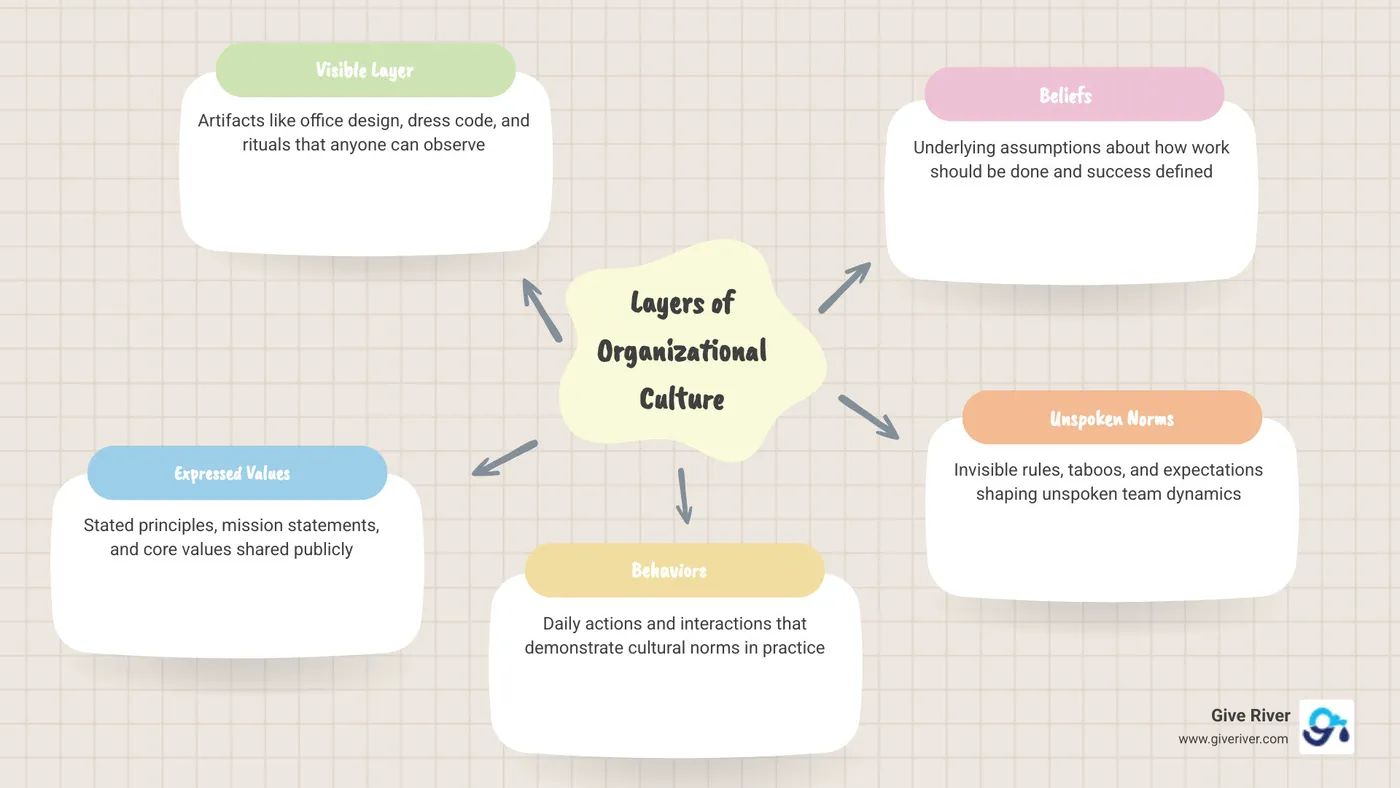
When we talk about Workplace Culture, we aren't talking about the snacks in the breakroom or the color of the office walls. We are talking about the "personality" of your company-the shared values, beliefs, and behaviors that dictate how work actually gets done.
Effective culture building guides emphasize that culture is a business-critical capability. It isn't a "soft" HR initiative; it is the engine that drives your strategic planning. Without a strong cultural foundation, even the most brilliant strategy will fail because, as the saying goes, culture eats strategy for breakfast.
To build a Purpose-Driven Workplace, we must focus on psychological safety. This is the belief that one can speak up with ideas, questions, or mistakes without being punished. When employees feel safe, innovation flourishes. Scientific research consistently shows that manager influence is the pivot point here. If a manager reacts to a mistake with blame, the culture shifts toward fear. If they react with curiosity, the culture shifts toward learning. For a broader overview of the concept, psychological safety is widely recognized as a foundational condition for team learning and performance.
Defining Values in Culture Building Guides
The first step in any intentional culture design is defining your core values. These shouldn't be generic words like "Integrity" or "Excellence" that sit gathering dust on a website. Instead, they should be mission-driven behavioral norms that guide daily decision-making.
A Winning Workplace Culture aligns these values with the organization's strategic goals. For example, if your strategy relies on rapid innovation, one of your core values must be "Experimentation over Perfection."
We recommend defining 3-5 observable behaviors for every core value. If "Collaboration" is a value, an observable behavior might be "Seeking input from at least two different departments before finalizing a project plan." This moves values from abstract concepts to actionable standards.
The Leadership Role in Modeling Excellence
Leadership is the primary signal-sender in any organization. You can write the best culture building guides in the world, but if the CEO doesn't follow them, neither will the staff. Courageous leadership requires a balance of humanity and accountability.
We often look to the "sweep the sheds" principle used by the New Zealand All Blacks rugby team. Despite being world champions, the senior players stay behind to sweep the locker rooms. This models humility and the idea that no one is too big to do the small things.
Leaders must also model vulnerability. When a leader admits a mistake publicly, they give the rest of the team permission to be honest. This builds trust faster than any team-building exercise ever could. Remember: your employees are watching your feet, not your lips. They will do what you do, not what you say.
Addressing Modern Challenges in Culture Building Guides
The modern workplace looks very different than it did five years ago. We are now navigating Organizational Culture in Virtual Teams, rising rates of employee burnout, and the rapid integration of AI.
Remote work has fractured many of the informal bonds that used to form at the water cooler. This makes intentionality even more important. Without a physical office, your culture is your communication.
Burnout is another major hurdle. Statistics show that 40% of employees leave due to burnout, often caused by a culture that rewards "always-on" behavior. Leaders must set boundaries-like not sending emails on weekends-to protect their team's well-being. Furthermore, as AI integrates into our workflows, culture must evolve to emphasize "human-only" skills like empathy, ethical judgment, and complex collaboration.
Implementing and Sustaining a High-Performance Culture
Building culture isn't a one-time event; it's a continuous cycle of assessment, implementation, and iteration. To truly Enhance Workplace Culture, you need systems that keep the desired behaviors alive every single day.

Assessing Your Cultural Baseline
You cannot fix what you haven't measured. Before implementing changes, you must establish a baseline. We recommend using pulse surveys—short, frequent check-ins—to gauge the current mood and alignment of the team.
Key metrics to track include:
- eNPS (Employee Net Promoter Score): Would your employees recommend your company as a great place to work? Aim for a score of +20 or higher.
- Turnover Rates: High turnover in specific departments often points to a localized toxic culture or poor management.
- Stay Interviews: Instead of waiting for an exit interview to find out why someone is leaving, ask your high performers why they stay and what would make them leave.
Transparency is vital here. If you ask for feedback but never share the results or act on them, you will create a culture of cynicism. Close the feedback loop by saying, "You told us X, so we are doing Y." This builds Company Culture Engagement by proving that employee voices matter.
Integrating Recognition and Growth Systems
One of the fastest ways to reinforce culture is through recognition. When you see a behavior that aligns with your values, highlight it. Recognition should be specific, timely, and peer-to-peer.
While platforms like Bonusly or Kudos offer great ways to facilitate "shout-outs," Give River differentiates itself by moving beyond transactional rewards to focus on the why behind the praise. Unlike these competitors, Give River integrates recognition into a broader behavioral framework that drives long-term growth. Instead of just saying "Great job," our methodology ensures feedback is tied to specific values, such as: "Great job using our 'Customer First' value by staying late to help that client solve their technical issue."
Beyond recognition, culture is sustained through growth. Employees want to see a future for themselves. Clear career ladders and professional development opportunities show that you are invested in their Holistic Employee Experience. When people feel they are growing, they are much more likely to stay engaged and committed to the mission.
Sustaining Momentum Through Virtual Rituals
At Give River, we believe that culture is built in the "small moments." Our 5G Method—Guided, Gamified, Gratitude, Growth, and Generosity—is designed to create these moments even in remote or hybrid settings.
Rituals create a sense of belonging. This could be a "Monday Morning Kickoff" where everyone shares a personal win, or a "Friday Gratitude" Slack channel. Gamification can also play a role; by turning cultural alignment into a fun, interactive experience, you increase participation and make values feel less like "work."
Finally, community impact is a powerful cultural glue. When a team works together toward a generous goal—like a charity drive or a sustainability initiative—it builds a shared sense of purpose that transcends daily tasks.
By using Culture Building Activities Virtual and integrated platforms, you ensure that culture isn't something that happens "off to the side," but is woven into the fabric of the workday.
If you're ready to move beyond slogans and start building a culture that actually works, we're here to help. Transform your team with Give River’s culture building solutions and start creating a workplace where your people don't just show up—they thrive.
More from this category.

Understanding Workplace Culture
Improve workplace culture by focusing on key elements that lead to a more engaging and fulfilling work environment. Company culture isn't just an HR buzzword; it's the heartbeat of any thriving organization. It shapes how employees feel,…

Why Building a Strong Volunteer Culture Is Critical for Your Organization's Success
Creating a volunteer culture goes beyond filling positions; it's about cultivating an environment where volunteers feel valued, connected to your mission, and empowered to make a meaningful impact.

Why Workplace Aspiration Is the Missing Link in Employee Engagement
Knowing how to empower the aspiration in the workplace is one of the most high-leverage things a leader or HR professional can do in 2026 — and most organizations are still getting it wrong.
See the platform in action.
Free for up to 25 members, or try Core or Growth free for 30 days. A card is required; Free is never charged, and a trial bills when it ends unless you cancel.