Why Ethical Business Models Are Reshaping Modern Commerce
Ethical business models are no longer optional—they're essential for attracting customers, retaining talent, and building sustainable growth. Here's what you need to know:
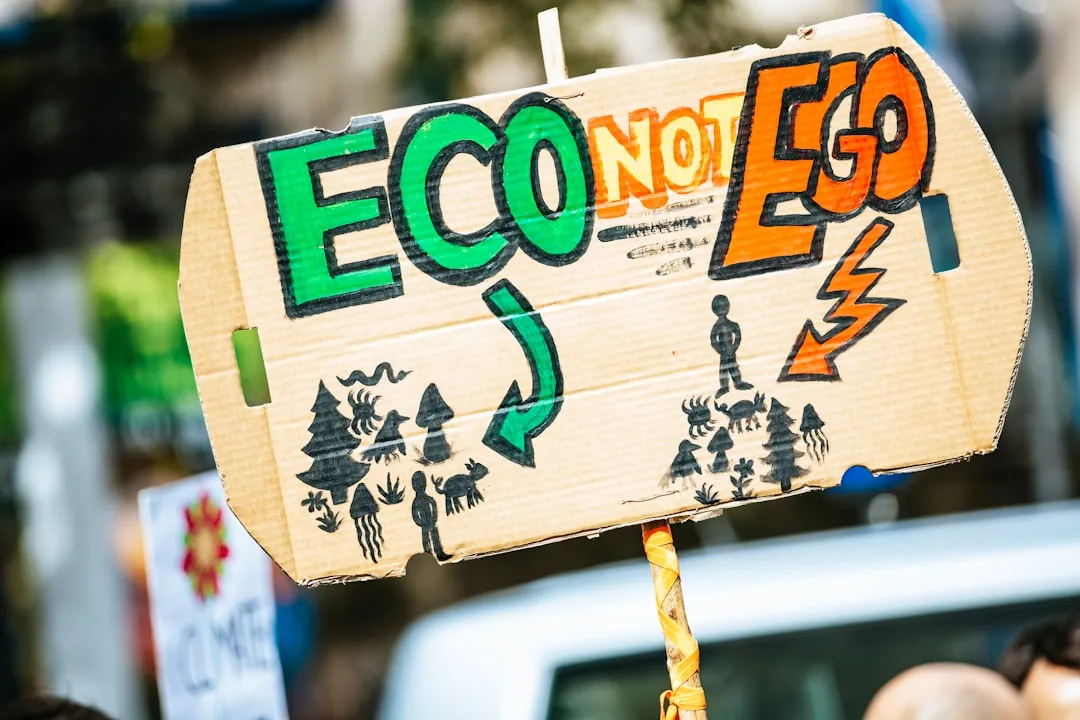
Ethical business models are no longer optional—they're essential for attracting customers, retaining talent, and building sustainable growth. Here's what you need to know:
Key Components of Ethical Business Models:
- Triple Bottom Line (TBL): Balancing People, Planet, and Profit equally
- Stakeholder Focus: Considering employees, communities, and environment—not just shareholders
- Virtuous Model: Prioritizing stated values for workers, customers, and products while remaining profitable
- Impact & Profit Alignment: Creating "collinearity" where business growth naturally increases positive impact
- Transparent Operations: From supply chain to decision-making, openness builds trust
The business landscape has fundamentally shifted. Today, 73% of global shoppers are willing to spend more on sustainable products, and 90% of Gen Z consumers express concern about how businesses address social issues. This isn't a passing trend—it's a generational expectation that's redefining what it means to run a successful company.
For decades, the prevailing wisdom held that businesses existed primarily to maximize shareholder profit. That singular focus is crumbling. Modern consumers, especially younger generations, are voting with their wallets for companies that demonstrate genuine commitment to ethical practices. Meanwhile, your employees—particularly Millennials and Gen Z—are making career decisions based on whether your sustainability agenda aligns with their values.
Yet only 13% of workers believe they work for an organization with a strong ethical culture. This gap represents both a crisis and an opportunity. Companies that bridge this divide aren't just doing the right thing morally—they're securing competitive advantages in talent retention, customer loyalty, and long-term profitability.
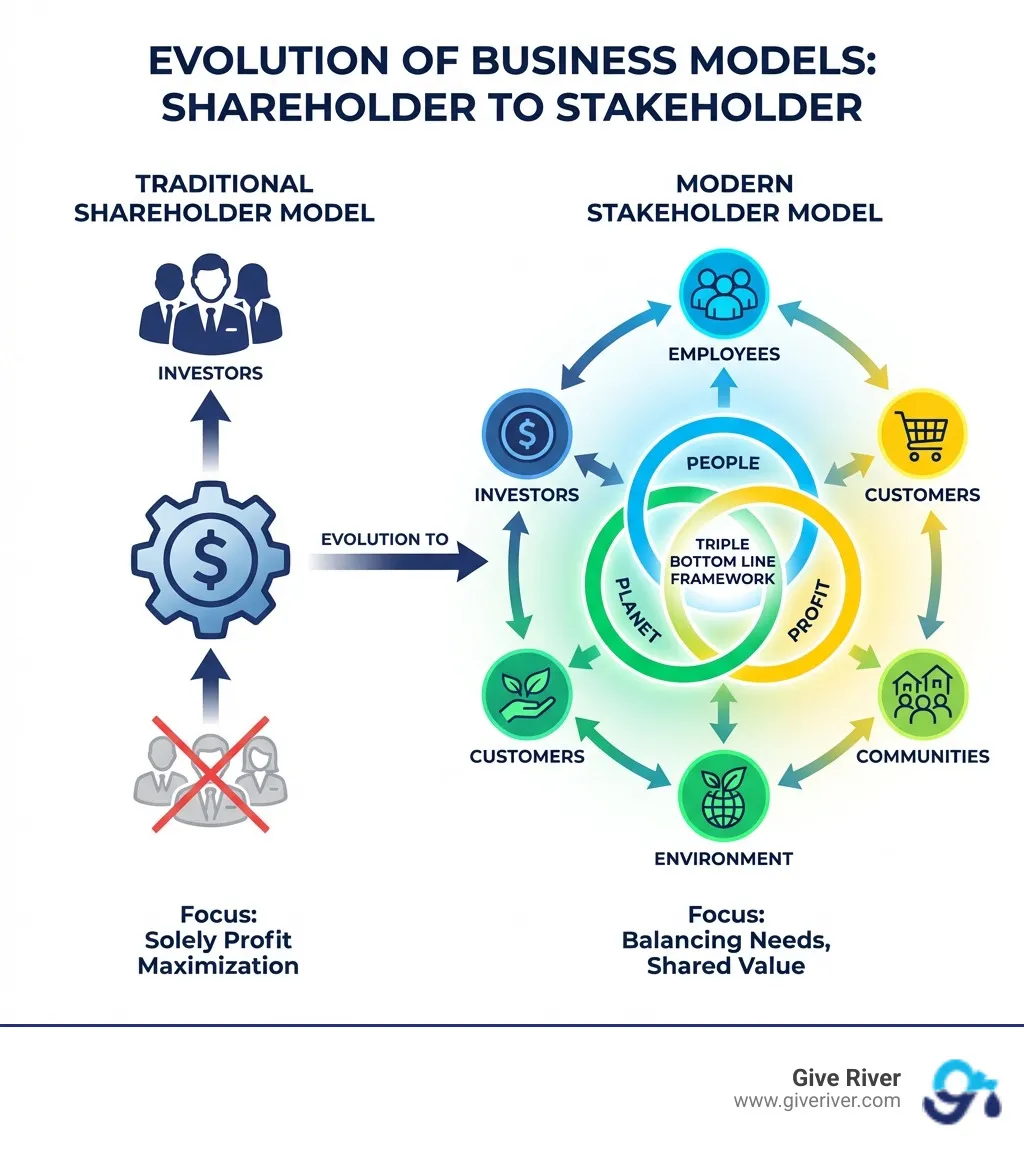
The shift from shareholder-centric to stakeholder-inclusive business models isn't about sacrificing profits for purpose. It's about recognizing that sustainable profitability comes from creating value for all stakeholders: employees, customers, communities, and the environment, alongside investors.
As Meghan Calhoun, Co-Founder of Give River, I've spent over two decades learning that high performance and human fulfillment aren't opposing forces—they're multiplying forces, which is why we built Give River to help companies implement ethical business models through our 5G Method of Gratitude, Gamification, Growth, Generosity, and Guidance. In this comprehensive guide, I'll walk you through the frameworks, real-world examples, and practical steps for building a business that's both profitable and purposeful.
Understanding the Core Frameworks of Ethical Business Models
Defining Ethical Business Models: The Virtuous Model and TBL
At its core, ethical business moves beyond profit as the sole measure of success. A "virtuous business model" is a profitable enterprise that prioritizes its stated values for workers, customers, and products. It aims to boost employee well-being and customer satisfaction through strong, moral leadership.
This values-based approach is good for business. It helps companies maintain a competitive edge, foster innovation, increase employee retention, and build stronger customer connections, creating a cycle of positive impact and growth.
A powerful framework for this approach is the Triple Bottom Line (TBL), which measures success by a company's impact on "People," "Planet," and "Profit."
- People: This pillar focuses on fair and ethical treatment of labor, communities, and all stakeholders, including fair wages, safe working conditions, and community engagement.
- Planet: This pillar emphasizes environmental stewardship, such as reducing a company's carbon footprint, minimizing waste, and using sustainable resources.
- Profit: This pillar redefines profit to include long-term economic sustainability, acknowledging that financial success is necessary to continue making a positive impact.
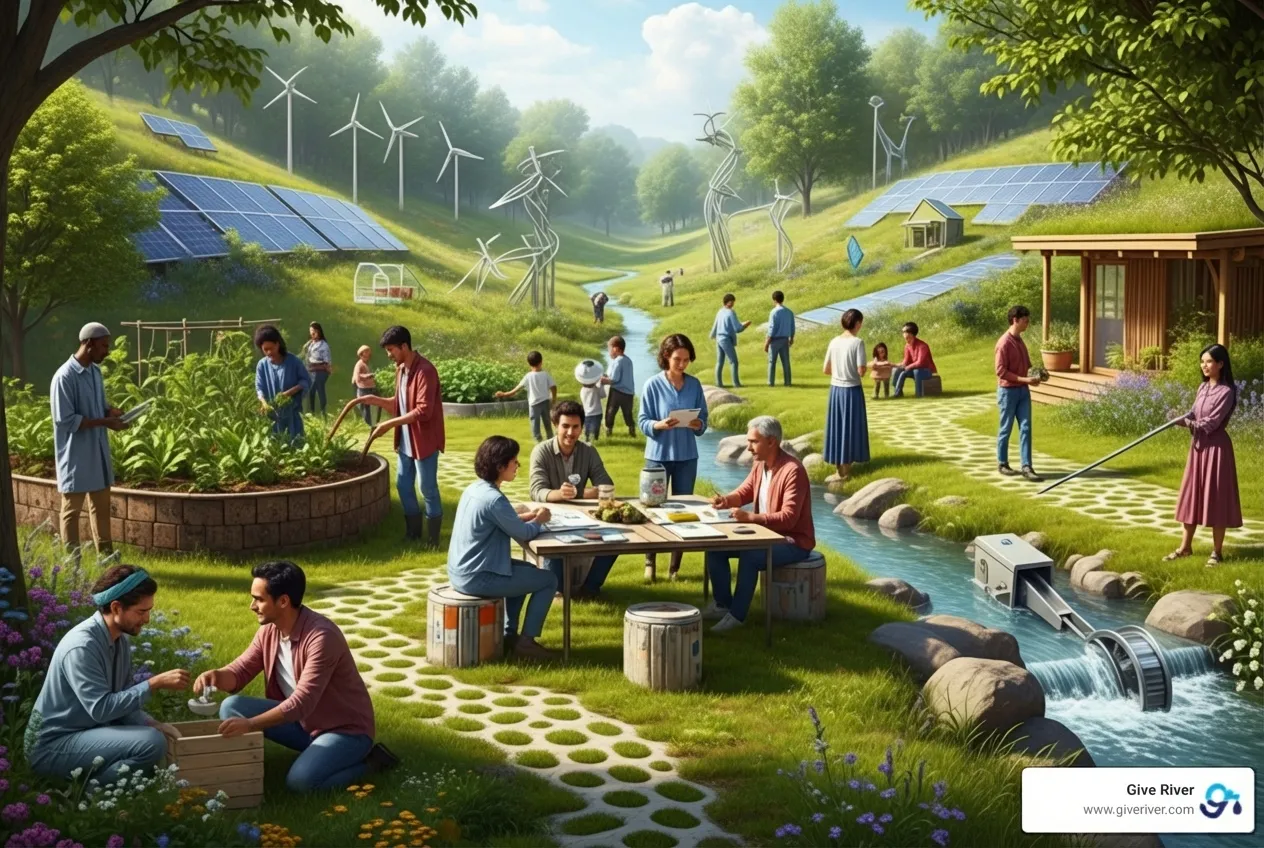
Integrating people, planet, and profit challenges the false choice between profitability and responsibility. Many companies prove you can succeed financially while prioritizing ethics. This leads to 'collinearity,' where business growth naturally increases positive impact. The business and its mission become mutually reinforcing, making Sustainable Business Practices a strategic investment, not just an expense.
While upfront costs for sustainable practices can be higher, the long-term ROI from increased investor engagement, employee retention, and profitability often outweighs them.
The Building Blocks of an Ethical Paradigm
An ethical business paradigm is built on several core components:
- Fair Labor Practices: This includes respecting human rights, ensuring safe working conditions, providing fair wages, and fostering diversity and inclusion throughout the supply chain. As the OECD Guidelines highlight, businesses must address adverse impacts on workers.
- Corporate Social Responsibility (CSR): CSR is a company's commitment to societal well-being beyond legal obligations, including supporting social causes and giving back to communities. Our guide on What is Corporate Social Responsibility explores this further.
- Environmental Management: This involves minimizing a company's ecological footprint through waste reduction, energy efficiency, sustainable resource use, and reducing carbon emissions.
Frameworks like the Barrett Model's '7 Levels of Ethical Business Practice' illustrate how these components integrate. This model shows an organization's evolution from basic compliance (Survival) toward a fully values-driven culture focused on making a positive difference and serving humanity.
This progression highlights that culture drives ethical behavior. A poor culture can lead to unethical actions, while an open, respectful culture where leaders create psychological safety is crucial. Ethics is everyone's responsibility, and it's essential for Building a Supportive Environment where employee well-being is paramount.
Ethical Business Models in Action: Real-World Examples
The best way to understand ethical business models is to see them in action. These pioneers embed ethical practices into their core identity.

Consider companies like:
- Rothy's: This footwear brand turns recycled plastic bottles into stylish shoes. Their model addresses environmental waste ("Planet") while ensuring fair labor in their production facilities ("People").
- Patagonia: A leader in ethical business, Patagonia is a certified B Corp renowned for its environmental commitment. They donate to environmental causes, use recycled materials, and promote fair labor. Their mission, "We're in business to save our home planet," exemplifies a purpose-driven model.
- S'well: S'well tackles plastic waste by creating reusable water bottles. Their product's core mission is to offer a sustainable alternative to single-use plastics, making it easy for consumers to make an ethical choice.
These examples show that ethical practices create value, foster loyalty, and drive innovation. They prove businesses can align their priorities for a sustainable future. For more inspiration, see our guide on Examples of Corporate Social Responsibility.
From Theory to Practice: Building and Sustaining an Ethical Company
Overcoming Challenges and Balancing Sustainability with Profitability
While the benefits of ethical business models are clear, implementation has its challenges. Companies often face significant barriers:
- Higher Upfront Costs: Switching to sustainable materials, investing in renewable energy, or implementing fair labor practices can initially be more expensive.
- Regulatory Problems: Navigating complex and sometimes inconsistent regulations across different regions can be challenging and create compliance complexities.
- Market Competition: In competitive markets, businesses might feel pressured to cut corners to keep prices low, making it difficult to justify the added costs of ethical practices.
- Vetting Global Suppliers: Ensuring ethical practices throughout a global supply chain requires extensive due diligence, which can be resource-intensive and complex.
The idea that businesses must choose between profit and ethics is a false dichotomy. Prioritizing ethics can position a company as a market leader. The key is to balance profitability with sustainability by integrating ethical considerations into the core business strategy, focusing on long-term value creation.
For instance, investing in employee well-being may increase short-term costs but boosts long-term profitability through reduced turnover and higher productivity. With only 13% of workers believing their organization has a strong ethical culture, there's a clear opportunity. Companies that build this culture attract and retain top talent seeking purpose-driven work. Explore Strategic CSR Examples for insights on navigating these challenges.
Fostering an Ethical Culture Through Leadership and Training
An ethical business model starts with leadership. Leaders must set the tone, model values, and create an environment where ethical behavior is supported and rewarded. Education is integral, giving leaders an ethical foundation to make responsible decisions and drive positive impact.
Ethical development is an ongoing process, not a one-time compliance task. Consistent training, beyond onboarding, is crucial for developing employees' ethical character. This continuous learning, through discussions and case studies, helps employees steer dilemmas and feel empowered to act ethically.
An ethical culture directly impacts employee fulfillment. Gen Z and Millennial employees are especially influenced by a company's sustainability agenda when deciding where to work. A genuine commitment to ethics fosters pride, purpose, and loyalty, leading to higher retention and motivation.
At Give River, we believe true fulfillment goes beyond basic engagement. This marks a key difference from platforms like Bonusly and Kudos, which focus primarily on recognition. We integrate generosity and growth for deeper impact. Our 5G Method—Gratitude, Gamification, Growth, Generosity, and Guidance—builds high-performing teams by embedding these values into the daily employee experience, making ethics a lived reality.
To truly foster an ethical culture, organizations must:
- Eliminate double standards: Leaders must embody the values they espouse.
- Foster a respectful environment: Where employees feel safe to speak up without fear of retaliation.
- Encourage reporting: Provide clear, anonymous channels for reporting unethical conduct.
- Invest in consistent training: Make ethics a regular, integrated part of professional development.
- Focus on social responsibility: Provide opportunities for employees to contribute to community impact.
Prioritizing ethical leadership and training creates a more responsible, fulfilling, and productive workplace. Learn Why Employee Fulfillment is More Important Than Engagement and how to support Professional Growth Programs that integrate ethics.
Measuring Impact and Building Stakeholder Trust
Measuring the impact of ethical practices is challenging but crucial. Social and environmental impacts are often qualitative and long-term, making them hard to quantify due to diverse metrics, data issues, and lack of standardization.
These challenges drive innovation in measurement. Companies use frameworks like GRI and SASB to track progress, leading to better decision-making, stakeholder confidence, and risk management.
Transparency is key to building stakeholder trust. Since 94% of consumers are more loyal to transparent brands, communicate ethical commitments and demonstrate accountability across the business, from supply chains to decision-making.
This transparency must extend to technology like AI. As businesses use AI, it's crucial to ensure human oversight, respect data privacy, and maintain accountability to prevent bias and build trust.
Due diligence is a critical tool for ensuring ethical conduct in global supply chains. The OECD provides guidance for a risk-based approach to identify, prevent, and mitigate adverse impacts on people, the environment, and society.
Engaging stakeholders and communicating transparently throughout this process is crucial for building trust and fostering a culture of integrity. This genuinely helps to Enhance Workplace Culture. For details, refer to the OECD Due Diligence Guidance for Responsible Business Conduct.
Building a better future through business is not just a lofty ideal—it's a strategic necessity. By embedding ethical principles into your core operations, you create a resilient organization that attracts top talent, earns customer loyalty, and drives sustainable growth. Platforms like Give River help by integrating generosity and community impact directly into your employee experience, turning your cultural values into measurable actions. Ready to build a business that is both profitable and purposeful? Learn more about our Charitable Impact solutions
More from this category.
Why Most Work Meetings Start on the Wrong Foot (And How to Fix It)
The best 2 truths and a lie ideas for work can transform an awkward, silent meeting opener into a moment your team actually looks forward to. Whether you're onboarding new hires, kicking off a remote all-hands, or just trying to shake off…

The Trust Deficit in Remote Work
Building trust in a virtual team is a critical challenge for modern organizations. While remote work offers flexibility, it can erode team cohesion if not managed intentionally.

Why Connection Building Activities Are the Secret to High-Performing Teams
Connection building activities are structured exercises that help teams develop trust, improve communication, and foster genuine relationships at work — and they're one of the most overlooked drivers of team performance.
See the platform in action.
Free for up to 25 members, or try Core or Growth free for 30 days. A card is required; Free is never charged, and a trial bills when it ends unless you cancel.