Are You Really Listening to Your Employees?
Employee satisfaction survey tools are digital platforms that help organizations collect, analyze, and act on employee feedback to improve engagement, retention, and workplace culture. The best tools offer:

Are You Really Listening to Your Employees?
Employee satisfaction survey tools are digital platforms that help organizations collect, analyze, and act on employee feedback to improve engagement, retention, and workplace culture. The best tools offer:
- Survey builders with customizable templates for pulse surveys, engagement assessments, and lifecycle feedback
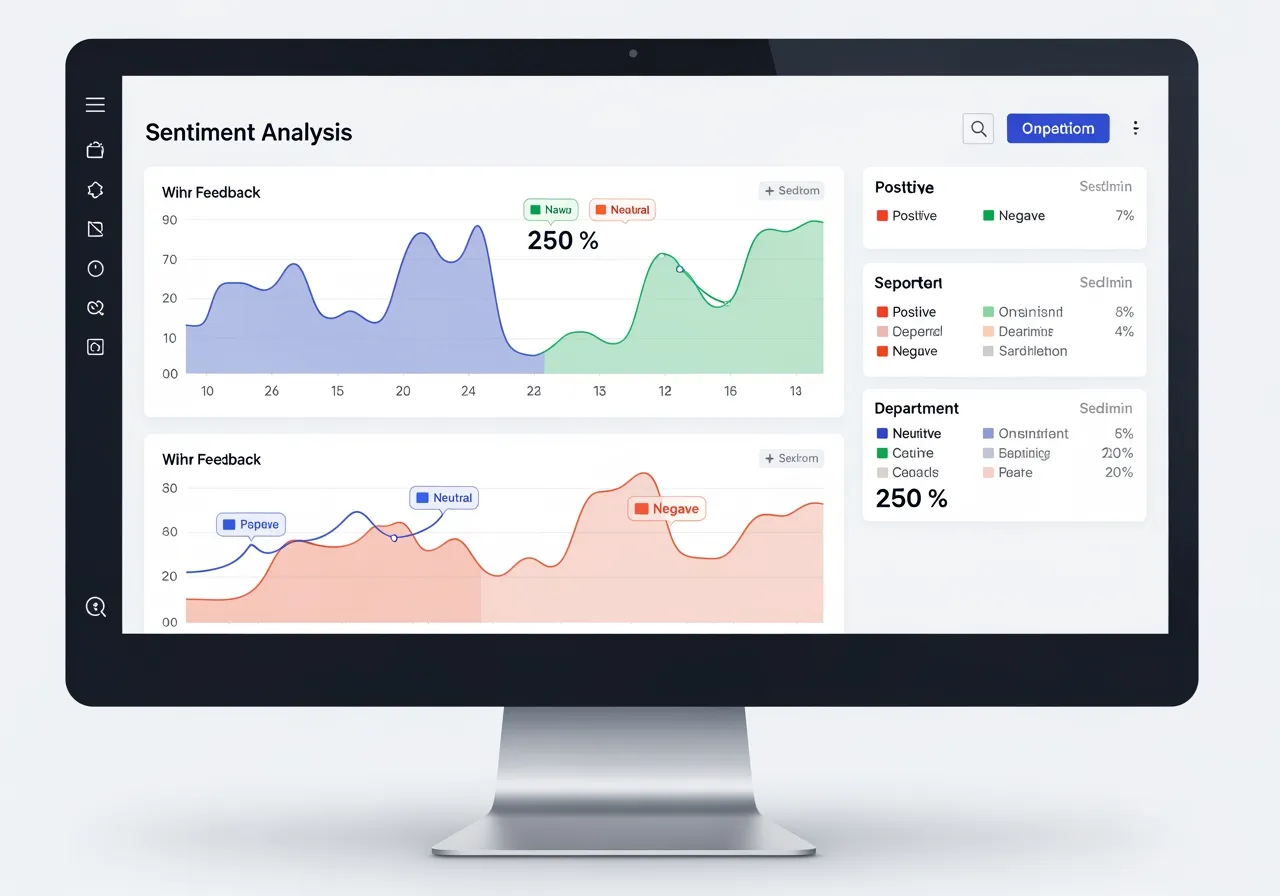
- Real-time analytics and sentiment analysis to identify trends and concerns quickly
- Anonymity protection to encourage honest responses without fear of retaliation
- Action planning features that connect insights to measurable improvements
- Integration capabilities with existing HR systems, Slack, and Microsoft Teams
- Mobile accessibility for deskless and remote workers
Here's the uncomfortable truth: companies that ignore their employees' voices risk investing in pointless—or sometimes damaging—initiatives and workplace practices. With remote work, hybrid teams, and shifting employee expectations following the Great Resignation, it's easy for morale issues and process gaps to fly under the radar.
Yet despite this urgency, many organizations still struggle. They either don't collect feedback systematically, or they run surveys that sit in spreadsheets gathering digital dust. Employees complete them dutifully, then watch nothing change—breeding cynicism instead of trust.
The stakes are significant. Research from Great Place To Work shows that stocks at publicly traded companies with high employee satisfaction outperformed the market by 19% over a four-year period. Employees at these certified companies are 46% more likely to give extra effort and 38% more likely to plan staying long-term.
Modern survey tools bridge that visibility gap. They provide continuous pulse checks, sentiment analysis, and thoughtful question templates—all in one place. From anonymous feedback and real-time dashboards to benchmarking and follow-up workflows, the right platform empowers leaders to listen, understand trends, and take timely action.
But with dozens of platforms claiming to solve employee engagement—from comprehensive enterprise solutions like Qualtrics to recognition-integrated tools like Bonusly—how do you choose the right one for your organization?
I'm Meghan Calhoun, co-founder of Give River, and I've spent over two decades in high-pressure workplaces learning what truly drives employee fulfillment. Through building employee satisfaction survey tools that integrate recognition, growth, and purpose, I've seen what separates platforms that collect data from those that drive real change.
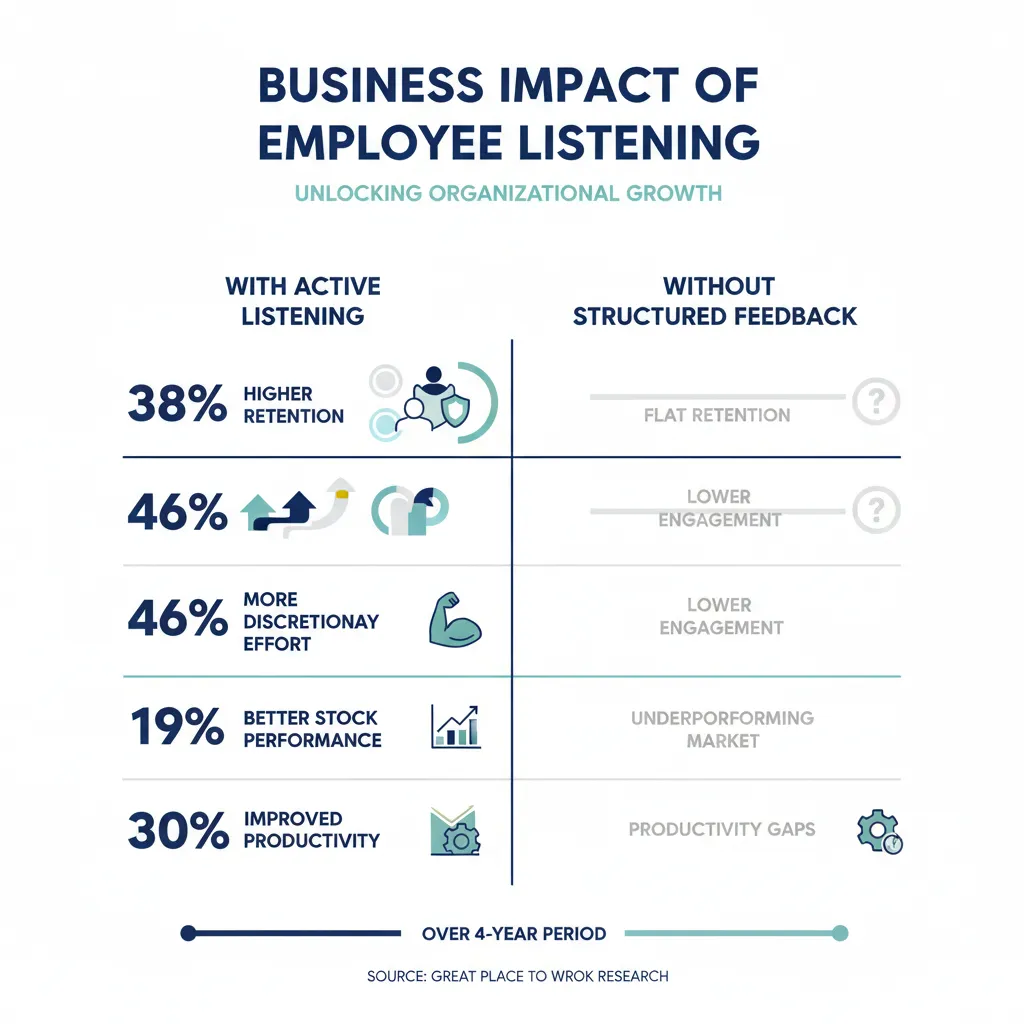
Infographic displaying the correlation between regular employee feedback collection and key business outcomes: 38% higher retention rates, 46% increase in discretionary effort, 19% better stock performance, and 30% improvement in productivity metrics. Shows comparison between companies with active listening programs versus those without structured feedback systems.
The Ultimate Checklist for Evaluating Employee Satisfaction Survey Tools
Navigating the landscape of employee satisfaction survey tools can feel overwhelming, but it's a crucial step. These tools are more than just questionnaires; they are strategic instruments for understanding your workforce and building a thriving culture. Ignoring employee feedback can lead to misguided initiatives, while actively listening boosts motivation and delivers tangible business results.
Consider these compelling statistics:
- Market Outperformance: Companies with high employee satisfaction outperform the market by 19%, according to research from Great Place To Work.
- Increased Effort & Adaptability: Engaged employees are 46% more likely to go the extra mile and 34% more likely to adapt to change.
- Improved Retention: Happy employees are 38% more likely to stay with their company, significantly reducing turnover costs.
- Data-Backed Decisions: The best platforms provide analytics to help you make informed, data-driven decisions that improve your team and bottom line. As we discuss in our insights on company culture engagement, a data-driven approach is crucial.
- External research: For broader context on the ROI of employee experience and the risks of toxic cultures, see Harvard Business Review's analysis, The High Cost of a Toxic Workplace Culture.
Essential Features to Look for in Employee Satisfaction Survey Tools
When evaluating tools, prioritize these non-negotiable features:
- Robust Survey Builder: Look for a user-friendly interface with customizable, research-backed templates for various survey types (e.g., engagement, eNPS, onboarding).
- Anonymity and Confidentiality: Ensure the tool offers anonymous responses and aggregates data to protect individual privacy and encourage honest feedback.
- Real-time Dashboards and Analytics: Instant access to data through intuitive dashboards is key. You should be able to filter results by department, location, or other demographics to identify trends.
- Sentiment Analysis: This AI-powered feature analyzes open-ended feedback to quickly identify key themes and sentiments, saving you hours of manual work.
- Action Planning Modules: The best tools help you turn insights into action. Look for features that allow you to create, assign, and track action plans based on survey results.
- Integration Capabilities: The tool should integrate with your existing HRIS/HRMS for seamless data syncing and with communication platforms like Slack or Microsoft Teams for easy survey distribution.
- Mobile Accessibility: A mobile-friendly design is essential for reaching all employees, especially those who are not at a desk.
- Automated Reminders: Save time and increase participation rates with automated reminders for survey completion.
- Benchmarking: Compare your results against industry standards to understand where you excel and where you need to improve.
A Guide to Different Types of Surveys and Platforms
Different situations call for different types of surveys. Here’s a quick overview:
- Pulse Surveys: Short, frequent check-ins to monitor employee sentiment and track progress on initiatives. Platforms like Officevibe specialize in this.
- Annual Engagement Surveys: Comprehensive, deep-dive surveys conducted yearly to assess overall employee experience, from leadership to work-life balance.
- eNPS (Employee Net Promoter Score): A quick, single-question survey to measure employee loyalty. Learn more about the underlying concept here: Net Promoter Score.
- 360-Degree Feedback: Gathers feedback from peers, managers, and direct reports to provide a holistic view of an individual's performance.
- Onboarding & Exit Surveys: These capture feedback at critical points in the employee lifecycle, helping you improve your processes and understand reasons for turnover.
- DEI (Diversity, Equity, and Inclusion) Surveys: Focused on assessing and improving your organization's DEI initiatives.
While some platforms like Qualtrics and Culture Amp offer broad solutions, others like Bonusly or Kudos focus more on recognition. Give River integrates surveys with a comprehensive system for recognition, wellness, and growth, providing a holistic approach to improving the employee experience.
Key Considerations: Pricing, Integration, and Security
Beyond features, consider these practical aspects:
Cost and Pricing Structure
Pricing models vary, but most are based on the number of users. Here’s a general breakdown:
| Plan Type | Typical Cost Range (per user/month) | Key Features |
|---|---|---|
| Free/Basic | $0 - $5 | Limited users, basic survey tools, and reporting. |
| Professional | $5 - $15 | More users, advanced analytics, and integrations. |
| Enterprise | Custom Pricing | Full suite of features, dedicated support, and advanced security. |
A higher price doesn't always mean a better fit. Evaluate options based on your specific needs and budget.
Integration Capabilities
Your survey tool should work seamlessly with your existing systems. Look for:
- HRIS/HRMS Integration: Automates user management and data synchronization.
- Communication Tools (Slack, Teams): Enables easy survey distribution and real-time feedback.
- Other HR Systems: Connects with performance management or learning platforms to create a unified employee experience.
Data Security and Confidentiality
Protecting employee data is crucial. Ensure any tool you choose is compliant with regulations like GDPR and SOC 2. Key security features include:
- Anonymity Guarantees: The platform must protect the identity of respondents.
- Informed Consent: Clearly communicate how data will be used.
- Anti-Retaliation Policies: Assure employees they can provide honest feedback without fear of negative consequences.
- Secure Data Handling: Use a platform with robust data encryption and access controls.
From Data to Action: Building a Better Workplace
Collecting data is just the first step. The real value of employee satisfaction surveys lies in turning that feedback into meaningful action that improves your workplace culture.
Choosing the Right Tool for Your Culture

Selecting the right tool is about finding a partner that aligns with your company's values and goals. Consider the following:
- Alignment with Company Values: Does the tool's approach resonate with your culture? If you value a holistic approach to employee well-being, look for a platform that reflects that.
- Scalability: Choose a tool that can grow with your organization, whether you're a small startup or a large enterprise.
- Ease of Use: A user-friendly interface for both administrators and employees is essential for high adoption and participation rates.
- Workforce Compatibility: Ensure the tool accommodates your specific workforce, whether they are remote, in-office, or on the front lines, with features like mobile access and multilingual support.
- Vendor Support: Look for a provider that offers excellent customer support and resources to help you get the most out of their platform.
Turning Insights into Impact
Avoid the common pitfall of "survey and forget." To build trust and drive real change, you must act on the feedback you receive.
- Close the Feedback Loop: Share survey results with your employees and communicate the actions you plan to take. This shows that their voices are heard and valued.
- Foster Continuous Improvement: Use regular pulse surveys to track progress and adapt your strategies in real-time. This creates a culture of ongoing improvement rather than a one-time fix.
- Connect Feedback to Action: Use the data to implement tangible changes. For example, if feedback indicates a need for more professional development, use the platform to create and track new training initiatives.
- Empower Managers: Give managers access to team-specific data and insights so they can address issues directly and build stronger, more engaged teams.
- Build Trust Through Transparency: Be open about the survey process, how data is handled, and how it will be used. Transparency is key to fostering a safe and honest feedback environment.
At Give River, we believe in a holistic approach to employee well-being. Our platform goes beyond simple surveys by integrating feedback with our 5G Method: Gratitude, Growth, Giving, Gumption, and Green-living. This approach helps you turn insights into action, fostering a purpose-driven workplace where every employee feels valued and motivated. Unlike tools that focus solely on recognition, like Bonusly or Kudos, Give River provides a comprehensive solution that connects feedback directly to growth, purpose, and building a thriving company culture.
Ready to transform your employee feedback into meaningful action? Find how our data-driven approach can help you build a happier, more productive, and more engaged workforce.
More from this category.

Why Most Work Meetings Start on the Wrong Foot (And How to Fix It)
The best 2 truths and a lie ideas for work can transform an awkward, silent meeting opener into a moment your team actually looks forward to. Whether you're onboarding new hires, kicking off a remote all-hands, or just trying to shake off…

The Trust Deficit in Remote Work
Building trust in a virtual team is a critical challenge for modern organizations. While remote work offers flexibility, it can erode team cohesion if not managed intentionally.

Why Connection Building Activities Are the Secret to High-Performing Teams
Connection building activities are structured exercises that help teams develop trust, improve communication, and foster genuine relationships at work — and they're one of the most overlooked drivers of team performance.
See the platform in action.
30-day free trial. No credit card. River Guide included on Core and Growth.