Why Recognition is Your Greatest Cultural Asset
Picture this: Your team is hitting its targets and shipping innovative products, yet three of your top performers just gave notice. What happened? The answer is often simpler than you think: they didn't feel valued.
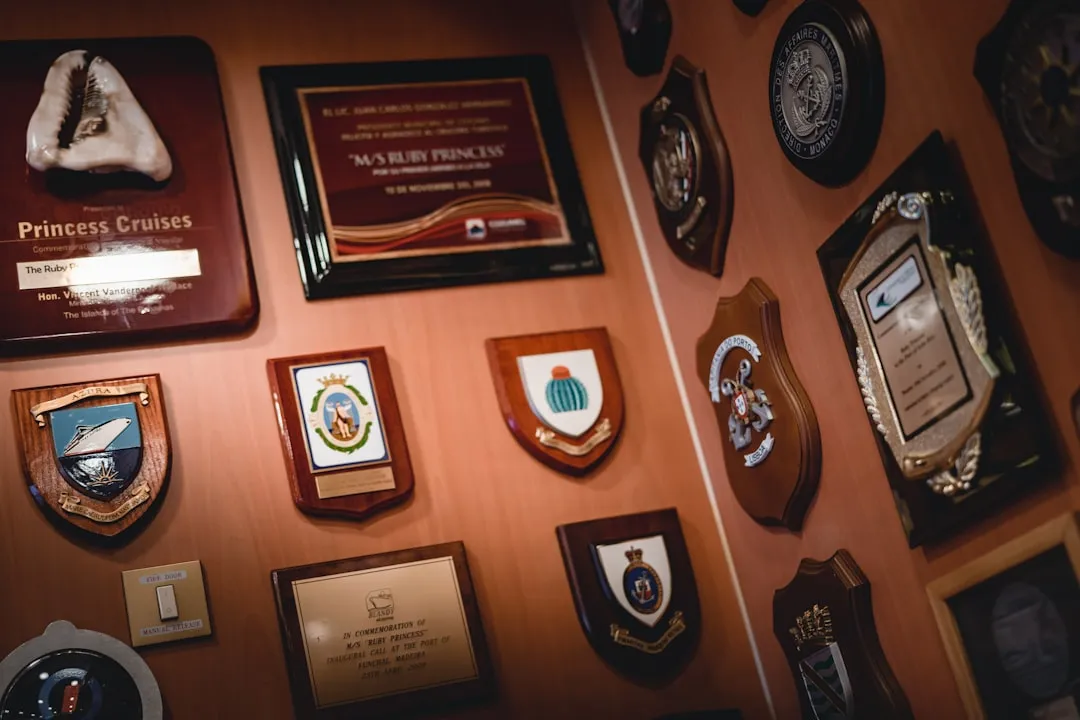
Why Recognition is Your Greatest Cultural Asset
Picture this: Your team is hitting its targets and shipping innovative products, yet three of your top performers just gave notice. What happened? The answer is often simpler than you think: they didn't feel valued.
Research consistently shows that feeling recognized is a fundamental need that directly impacts retention and performance. When employees feel their work is seen, they are less likely to leave, provide better customer experiences, and drive bottom-line results. Yet many organizations treat recognition as an afterthought, missing a massive opportunity to build a competitive advantage.
This guide will show you how to design and sustain award programs for employees that transform your culture and deliver measurable business outcomes.
The Undeniable Impact of Feeling Valued
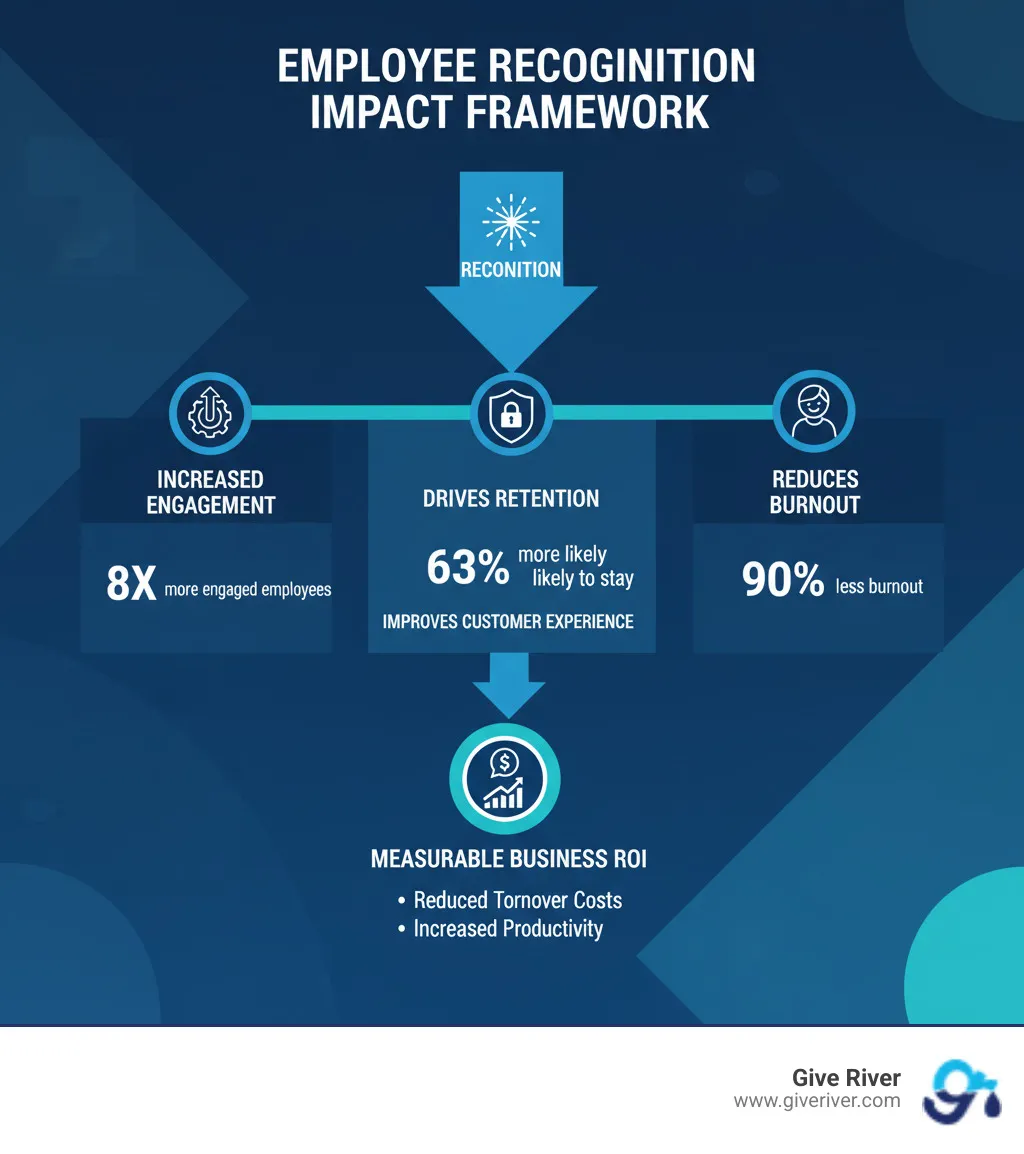
The benefits of effective award programs for employees are a strategic imperative. The statistics speak for themselves:
- Engagement: Employees who receive regular recognition are up to 8 times more engaged, translating directly into productivity.
- Retention: Recognized employees are 63% more likely to stay in their jobs, directly addressing the high cost of turnover.
- Well-being: Companies with strong recognition practices report their employees are up to 90% less likely to experience burnout.
A culture of appreciation creates a virtuous cycle. Happy, recognized employees deliver superior customer service, which boosts customer satisfaction and retention. This proves that appreciation isn't just an HR tactic but a fundamental driver of business success.
What Are Employee Recognition Programs?
At their core, award programs for employees are structured systems designed to acknowledge and reward the efforts, achievements, and behaviors of individuals and teams. A comprehensive program includes a mix of recognition types:
- Formal Recognition: Planned acknowledgments from leadership, such as annual awards, promotions, or service milestones. These are often public and may include a tangible reward.
- Informal Recognition: Spontaneous, timely gestures from leaders or peers, like a verbal "thank you," a spot bonus, or a handwritten note.
- Peer-to-Peer Recognition: Empowering employees to recognize each other through digital platforms or shout-outs. This builds community and ensures good work is noticed from all angles.
- Everyday Appreciation: The small, consistent gestures that form the foundation of an appreciative culture, like acknowledging effort in a meeting.
Effective programs blend monetary rewards (bonuses, gift cards) with non-monetary recognition (flexible schedules, development opportunities, public praise) to build both extrinsic and intrinsic motivation.
The Blueprint for High-Impact Award Programs for Employees
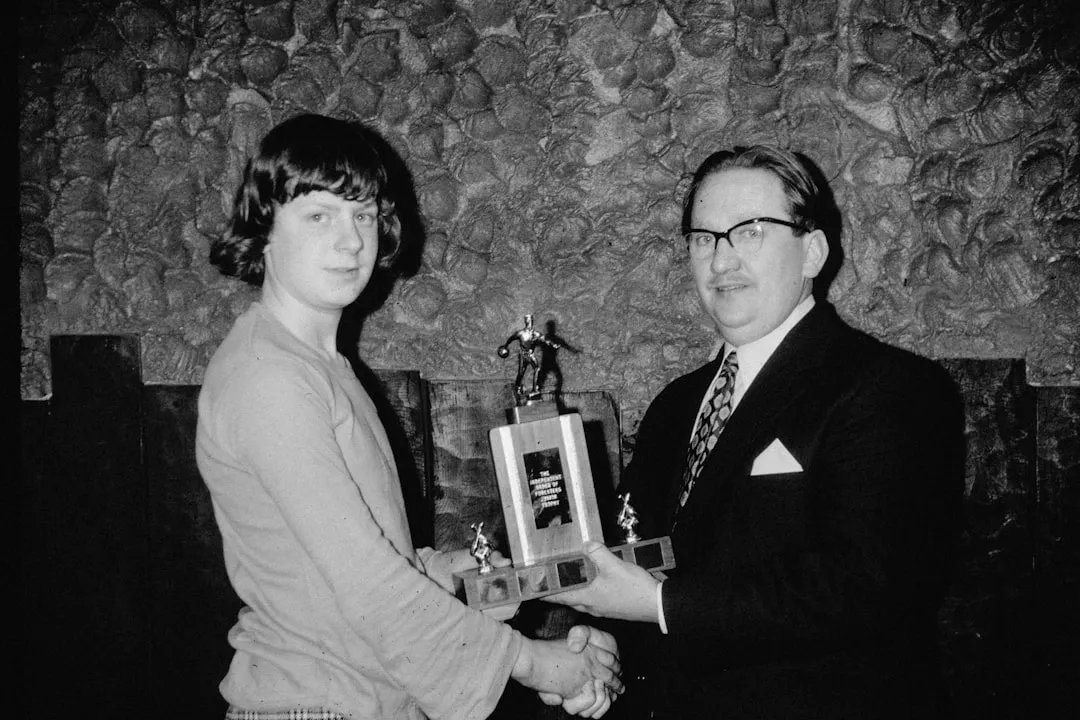
Building impactful award programs for employees requires a strategic approach that prioritizes authenticity and consistency. It's about getting the fundamentals right and then using the right tools and creative ideas to maintain momentum.
Step 1: Designing a Program That Truly Connects
The most successful programs are built on a foundation of core principles that make recognition feel genuine and fair.
- Consistency and Timeliness: Recognition should be woven into the daily rhythm of work, not reserved for annual events. Acknowledge contributions as close to the action as possible to maximize impact.
- Specificity and Personalization: Vague praise like "great job" falls flat. Connect recognition to a specific action and its business impact. Also, ask employees how they prefer to be recognized—public praise isn't for everyone.
- Fairness and Visibility: The program must have clear, equitable criteria. Every employee, regardless of role, should have an equal opportunity to be recognized. Ensure the acknowledgment reaches the person in a way they can see and appreciate, whether public or private.
- Alignment with Company Values: Transform recognition into a cultural reinforcement tool. If innovation is a core value, celebrate creative solutions. This makes your program a living expression of what your organization stands for.
- A Mix of Recognition Types: Create a recognition pyramid. The base should be a wide foundation of everyday, informal, and peer-to-peer appreciation, with more significant formal awards at the top for major achievements. Empowering employees to recognize each other is especially powerful for building community.
Step 2: Choosing the Right Tools and Technology
For modern, distributed teams, technology is essential for managing a seamless recognition program. The right platform can automate and amplify your efforts.
- Integration: Choose a platform that integrates with tools your team already uses, like Slack or Microsoft Teams, to make giving recognition a natural part of the workflow.
- Automation: Automate milestone celebrations like work anniversaries and birthdays to ensure no special moment is missed, saving valuable administrative time.
- Analytics: Use dashboards to track participation, identify recognition gaps, and measure program health, turning your initiative into a data-backed strategy.
- Diverse Rewards: A robust reward catalog with options like gift cards, experiences, and charitable donations gives employees the autonomy to choose what truly motivates them.
- Gamification and Social Feeds: Features like points systems and company-wide social feeds can boost engagement and make recognition more visible and fun.
While platforms like Bonusly and Kudos have digitized recognition with popular points-based systems and social feeds, the landscape is evolving. At Give River, we differentiate by integrating generosity and gamification to foster deeper connections. Our approach transforms recognition into a game of good deeds, building a culture of shared purpose and positive impact.
Step 3: 10 Creative Recognition Ideas to Inspire Your Team
Once your foundation is set, infuse creativity into your award programs for employees with a variety of rewards.
- Spot Bonuses: Immediate, small monetary rewards for specific, excellent work.
- Milestone Celebrations: Go beyond work anniversaries to celebrate project completions, certifications, and promotions.
- Professional Development: Show you're invested in their future with conference tickets, online courses, or mentorship programs.
- Wellness Rewards: Offer gym memberships, meditation app subscriptions, or extra mental health days to show you care for the whole person.
- Experiential Rewards: Create lasting memories with concert tickets, unique team outings, or travel vouchers.
- Social Media Shout-Outs: With consent, publicly celebrate achievements on company channels to boost pride and visibility.
- Flexible Work Arrangements: Offer schedule flexibility or extra time off as a highly valued non-monetary reward.
- Team-Building Activities: Celebrate collective wins with fun group activities that reinforce collaboration.
- Values-Based Trophies: Create custom awards like "The Innovator Award" that directly link recognition to your core values.
- Charitable Donations: Offer to donate to an employee's chosen charity to align personal values with corporate social responsibility.
Measuring, Refining, and Sustaining Your Program's Success
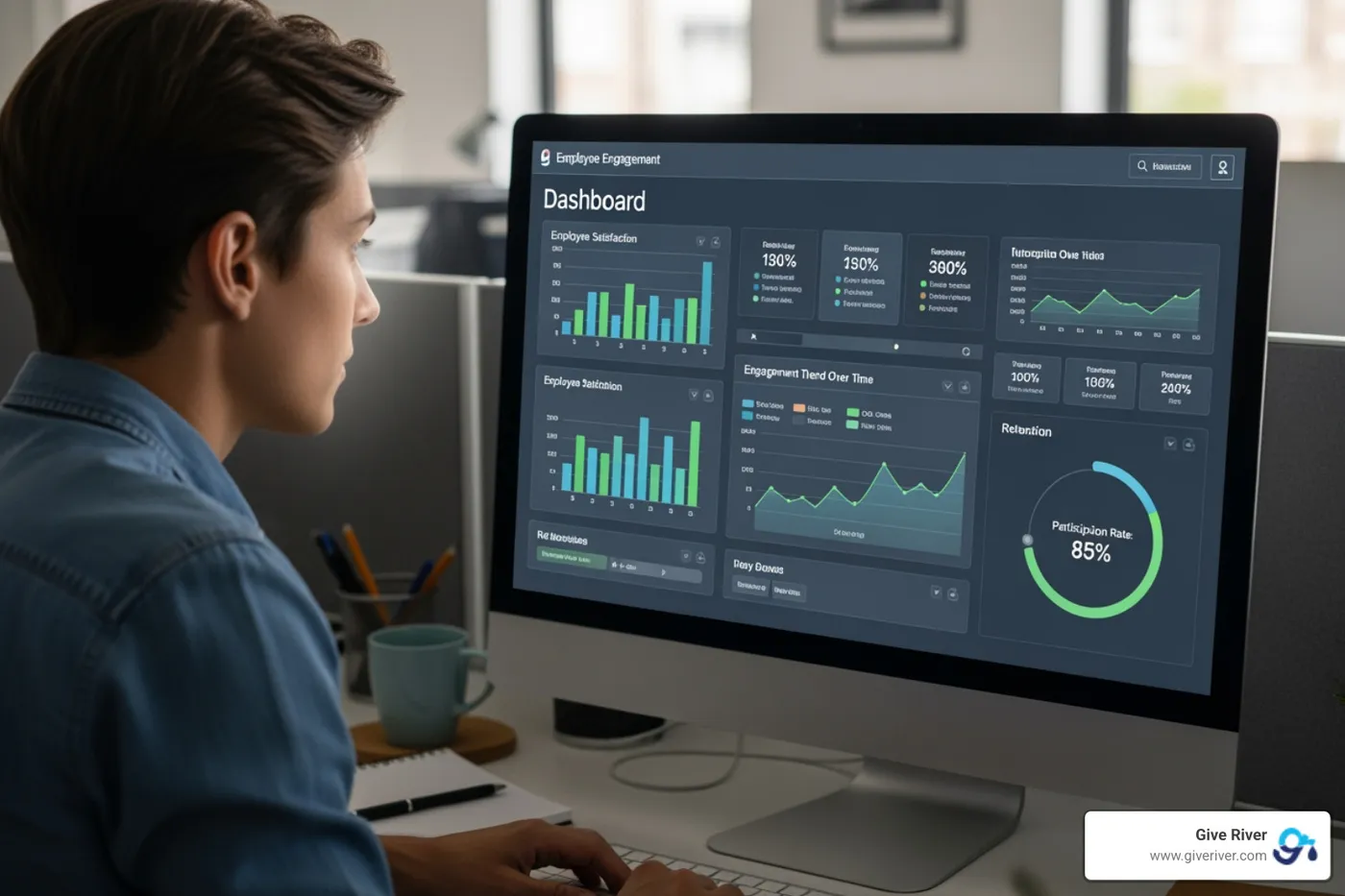
Launching award programs for employees is just the beginning. The real success comes from a commitment to measuring impact, listening to feedback, and continuously refining your approach. This ongoing cycle ensures your program remains relevant and impactful.
How to Measure the Success of Your Award Programs for Employees
To prove that recognition programs work, you need to track the right metrics. Demonstrating ROI is essential for justifying the investment.
- Employee Engagement Surveys: Use regular pulse surveys and eNPS to measure how valued employees feel. Look for upward trends in satisfaction and belonging.
- Retention and Turnover Data: A successful program should correlate with lower voluntary turnover. Calculate the cost savings from improved retention to prove ROI.
- Productivity Metrics: Track improvements in output, project completion rates, and quality scores. Many companies see significant productivity gains linked to recognition.
- Program Participation Rates: Monitor how frequently recognition is given and received. High participation indicates the program has become a true cultural practice.
- Feedback Channels: Go beyond numbers. Use open feedback channels to ask employees what's working and what could be more meaningful.
Common Pitfalls to Avoid When Creating Award Programs for Employees
Even well-intentioned programs can fail. Sidestep these common traps to ensure your efforts succeed.
- Inconsistency: Sporadic recognition feels disingenuous. Apply the program consistently across all teams and departments.
- Unfairness or Bias: If recognition seems to favor certain individuals, trust will erode. Use clear, objective criteria and transparent processes.
- One-Size-Fits-All Rewards: This approach feels impersonal. Offer a diverse range of rewards that cater to individual preferences.
- Forgetting Remote Employees: Be intentional about including virtual workers with digital shout-outs and inclusive online celebrations.
- Overly Complex Systems: If a program is difficult to use, people won't bother. Keep it simple and integrated into existing workflows.
- Not Aligning with Values: Recognition is a powerful opportunity to reinforce desired behaviors. Connect every award back to what your company stands for.
- Recognizing Only Top Performers: Celebrate consistent effort and improvement, not just peak achievements. Research on the psychology of motivation shows that focusing on growth yields more sustained engagement.
Conclusion: Turn Recognition into Your Competitive Advantage
Effective award programs for employees are more than an HR checkbox—they are a strategic investment in your people. When appreciation is woven into your culture, trust deepens, belonging flourishes, and employees are empowered to do their best work. This becomes your ultimate competitive advantage.
While traditional platforms like Bonusly or Kudos excel at facilitating simple peer-to-peer shout-outs, Give River believes the future of workplace culture requires a more holistic approach. Our unique 5G Method moves beyond basic recognition by integrating it with guidance for growth, personal wellness, gamification, and community impact. We help you build a culture where every positive action contributes to something bigger, creating a "Most Loved Workplace®" where people thrive.
Ready to transform your approach to recognition? We'd love to show you how our platform can help you cultivate a culture where appreciation isn't just a program—it's who you are.
More from this category.

The Impact of Employee Recognition on Workplace Success
Ever notice how a simple "thank you" can transform your entire day? Now imagine that feeling multiplied across your entire organization. That's the power behind the best employee recognition programs – they're not just nice-to-have perks,…

Why Recognition Feels Broken in Today's Workplace
Picture this: your whole department gets the same canned "thank-you" email. It lands with a thud. Connected recognition exists to replace that hollow gesture with a system that consistently spotlights real contributions.

From "Nice-to-Have" to Non-Negotiable: Why Your Business Needs Recognition Software
The business case for corporate recognition software goes far beyond warm feelings. When employees feel genuinely valued, every corner of your organization benefits\u0014from productivity metrics that impress the CFO to…
See the platform in action.
30-day free trial. No credit card. River Guide included on Core and Growth.